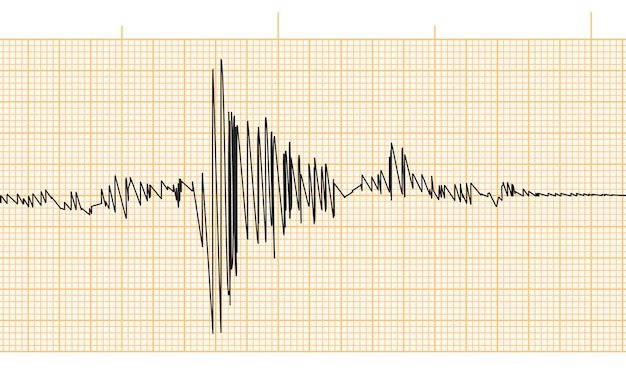
Market Overview
The prediction market for major earthquakes in 2026 is currently trading at 24% probability for the specific range of 11 to 13 magnitude 7.0+ events occurring globally. With over $410,000 in volume, the market reflects meaningful trader interest in seismic activity forecasting. The probability has remained stable at this level over the past 24 hours, indicating consensus among participants rather than reaction to recent developments or price volatility.
Why It Matters
Earthquakes of magnitude 7.0 and above represent major seismic events capable of causing significant damage and loss of life. Understanding the probability distribution of such events helps inform disaster preparedness planning, insurance pricing, and scientific assessments of seismic hazard. The specific 11-13 range in this market reflects a band around historical averages: long-term data shows approximately 15 magnitude 7.0+ earthquakes occur annually worldwide, meaning the market is pricing this outcome as somewhat below the typical range.
Key Factors
Historical earthquake frequency provides the primary benchmark for traders assessing this market. The U.S. Geological Survey records an average of roughly 15 earthquakes of magnitude 7.0 or greater per year globally, though year-to-year variation is substantial—annual counts have ranged from single digits to over 20. The 11-13 range represents outcomes notably below this long-term mean, explaining why traders assign less than one-in-four odds to this outcome. Major seismic events are inherently unpredictable in timing and magnitude, making probabilistic forecasting challenging. No specific tectonic developments or scientific analyses appear to be shifting expectations materially away from historical norms at present.
Outlook
The market's current pricing suggests traders view the 11-13 outcome as a below-average scenario for 2026. This implies relative confidence in near-average or above-average seismic activity occurring that year, reflected in probability mass distributed across other resolution buckets. Developments that could materially shift this market include revised seismic hazard assessments from geophysical institutions, heightened activity in major subduction zones or fault systems, or unexpected patterns emerging as 2026 progresses. For now, the stable 24% probability reflects historical expectations with no exceptional factors driving material repricing.