Market Overview
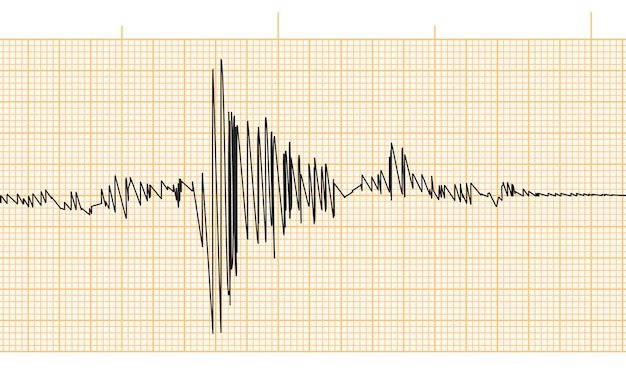
Prediction markets are currently pricing the probability of at least one earthquake measuring 10.0 or higher on the Richter scale occurring anywhere on Earth during 2026 at 5.0%, with roughly $533,000 in trading volume. This probability has remained essentially flat over the past day, indicating stable market sentiment with no recent developments dramatically altering participant expectations. The market will resolve based on data from the United States Geological Survey's official earthquake registry, with a 24-hour window to account for magnitude revisions following any qualifying event.
Why It Matters
Earthquakes of magnitude 10.0 represent a theoretical threshold of extreme seismic intensity. For context, the largest earthquake ever recorded was the 1960 Great Chilean Earthquake at magnitude 9.5, which killed approximately 2,000 people and remains the highest-magnitude event in the instrumental seismic record spanning over a century. A 10.0 magnitude earthquake would represent a substantial escalation in seismic energy release, making this market a test of whether participants believe recent seismic patterns or geological understanding suggests a departure from historical norms.
Key Factors
The 5% probability reflects the extreme improbability of such an event based on historical seismic data and geological science. The magnitude scale is logarithmic; each unit increase represents roughly 32 times more energy release than the previous level. A 10.0 earthquake would require unprecedented tectonic conditions, and current geological models do not suggest elevated risk of such an event in the near term. The compressed timeframe—only 13 months of trading for a full-year event window—further constrains the probability window. However, the non-zero probability accounts for inherent uncertainty in earthquake prediction and the possibility of unforeseen geological activity.
Outlook
Unless new seismic data emerges suggesting unusual activity along major fault lines or subduction zones, the market probability is likely to remain in the 3-7% range through 2026. Any significant seismic event above magnitude 8.5 would likely move the market higher as traders reassess tail risks, though historical patterns strongly favor no such occurrence. The stable 24-hour price action suggests the market has settled on a consensus valuation that appropriately weights expert geological consensus against the inherent unpredictability of extreme natural phenomena.