Market Overview
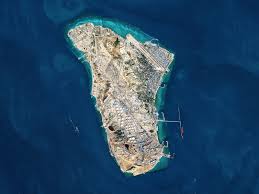
Prediction markets are pricing the probability of Iran losing control of Kharg Island by mid-2026 at 11.5%, a level that has held steady over the past 24 hours despite the question's high stakes and substantial trading volume of nearly $1.9 million. The market reflects a strong consensus that Iran will retain sovereignty over the strategically important oil and gas hub in the Persian Gulf, though the non-negligible probability assigned suggests participants view the scenario as plausible under certain geopolitical or military escalation pathways.
Why It Matters
Kharg Island is one of Iran's most critical energy infrastructure assets, serving as a major export terminal for Iranian crude oil and housing extensive oil and gas facilities. The island's location in the Persian Gulf makes it vulnerable to naval and air operations, particularly given the military capabilities of regional actors and external powers. Any loss of Iranian control would represent a significant degradation of Iran's economic capacity and geopolitical standing, while also reshaping energy markets and regional power dynamics. The resolution criteria explicitly require actual control to be established—ruling out temporary raids, bombardment, or contested scenarios—which substantially raises the threshold for a \"Yes\" resolution.
Key Factors
The 11.5% probability reflects several competing considerations. On one side, the structural barriers to forcibly seizing and holding a strategically important island are formidable: it would require sustained military operations, establishing functional governmental or military control, and maintaining that control against Iranian resistance or counteroffensive—all within 18 months. Iran maintains air defenses and naval presence in the region, and any takeover would likely provoke a major military response. On the other hand, the market acknowledges pathways to such an outcome: escalation of existing regional conflicts (particularly involving Israel, Saudi Arabia, or other Gulf states), wider conflict involving external powers, or negotiated settlement following military pressure. Market participants appear to be pricing in a low but material risk of regional conflagration that could lead to territorial changes.
Outlook
Movements in this market probability would likely respond to several categories of developments. Significant escalation of conflicts in the region—particularly between Iran and Israel, broader Gulf state tensions, or intervention by external powers—could raise the odds substantially. Conversely, de-escalation, diplomatic breakthroughs, or reduced military activity would likely compress the probability further toward single digits. The market's current pricing suggests that while regional tensions are acknowledged, most participants view the status quo as stable enough that Iran will retain control through mid-2026. Changes in the broader geopolitical risk environment, rather than developments specific to Kharg Island itself, would likely drive meaningful shifts in this probability.