Market Overview
Prediction markets currently assess the probability of Kharg Island transitioning out of Iranian control by May 31, 2026, at 7.5%, with trading volume of approximately $4 million indicating moderate interest in the outcome. The stable probability over the past 24 hours suggests market consensus has solidified around a low-likelihood scenario, with traders pricing in the substantial military and logistical challenges required to forcibly remove Iran from the strategically important island.
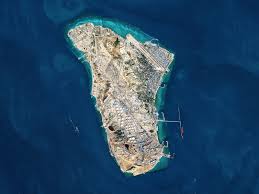
Kharg Island, located in the Persian Gulf approximately 25 kilometers off Iran's coast, serves as a critical component of Iran's oil and gas infrastructure and has been under Iranian control since 1966. The island hosts major crude oil export terminals and represents one of Iran's most significant economic assets in the energy sector. Any loss of control would represent a major territorial and economic setback for Tehran.
Why It Matters
The resolution of this market hinges on a question of significant geopolitical consequence. Control over Kharg Island would be consequential for Iran's economic capacity, regional power projection, and strategic positioning in the Persian Gulf. For potential adversaries—including Israel, which has demonstrated willingness to conduct strikes against Iranian assets, or Gulf Arab states aligned with the United States—capturing or neutralizing the island could represent a major strategic gain. The market probability reflects assessments of both the likelihood of military action and the feasibility of establishing durable control if such action occurred.
Key Factors
Several factors underpin the 7.5% probability assessment. First, maintaining territorial control against determined opposition would require either a major military campaign or successful special operations followed by sustained occupation—both operationally difficult endeavors. Iran maintains military presence on the island and in nearby waters, and any attempt at seizure would face organized resistance. Second, the current regional military balance, while strained, has not shifted decisively enough to make such an operation appear imminent or probable. Third, the market resolution criteria impose a high evidentiary standard: temporary military action, bombardment, or contested control would not qualify. Actual, established control by a non-Iranian authority must be documented through credible reporting and official statements.
The geopolitical environment remains tense, with periodic military incidents in the Persian Gulf and ongoing disputes between Iran and regional adversaries. However, a full-scale operation to seize Kharg Island represents an escalatory step beyond the lower-intensity operations that have characterized recent years. International diplomatic constraints, potential responses from Iran's allies, and the logistical complexity of sustaining occupation on an island facility also factor into the assessment that such an outcome remains improbable within the 18-month timeframe.
Outlook
For the probability to shift materially higher, traders would likely require visible indicators of imminent military preparations, significant escalation in regional hostilities, or geopolitical developments that substantially alter the regional balance of power. Developments such as a widening regional conflict, a major shift in the alignment of regional powers, or explicit military posturing toward the island could move markets. Conversely, de-escalation efforts or successful diplomatic initiatives might further reduce the already-low probability. The current 7.5% assessment appears to reflect a baseline view that while regional tensions remain elevated, the specific outcome of Iranian loss of control over Kharg Island by May 2026 remains a tail-risk scenario rather than a probable outcome.