Market Overview
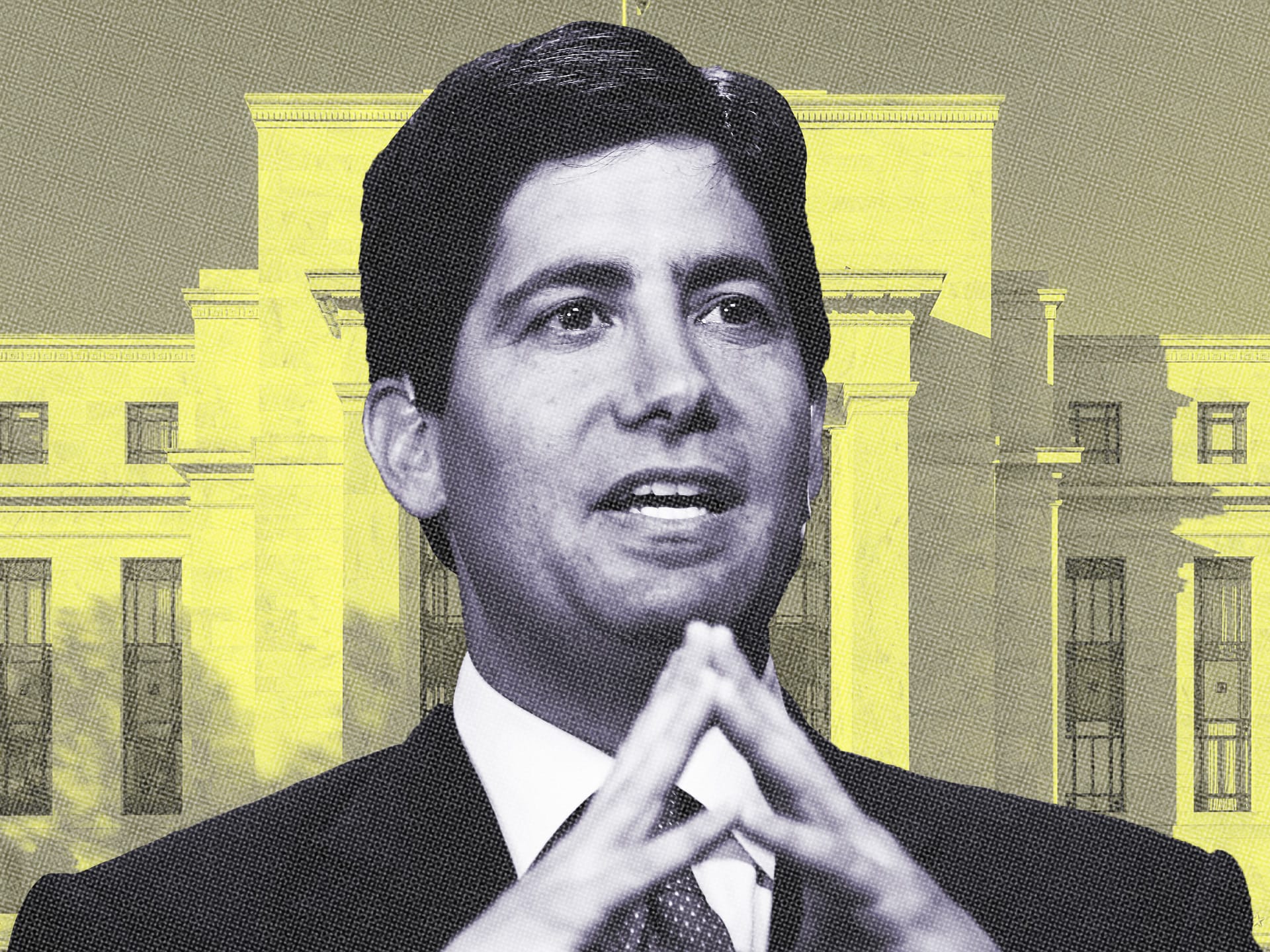
Prediction markets currently price Kevin Warsh's chances of Senate confirmation as Federal Reserve Chair by May 1, 2026, at just 0.1%—effectively treating the outcome as extraordinarily unlikely. With $782,595 in trading volume and stable pricing over the past 24 hours, the market shows little expectation that Warsh will reach the nation's top central banking position. This assessment stands despite Warsh's substantial credentials in financial regulation and monetary policy.
Warsh, a former Federal Reserve Board member who served from 2006 to 2011 and currently sits on several corporate and financial boards, has maintained a public profile in policy discussions. His experience with financial crisis management and banking supervision provides plausible qualifications for the role. However, the market's overwhelming skepticism suggests traders view his confirmation as improbable regardless of formal nomination.
Why It Matters
The Federal Reserve Chair position ranks among the most consequential economic policy roles in the U.S. system. The Chair's tenure spans four-year terms, and the Senate confirmation process typically involves rigorous scrutiny of the nominee's monetary policy philosophy, independence from political pressure, and regulatory views. Any confirmation would require a simple majority in the Senate, currently held by Republicans. The Fed Chair role itself remains subject to intense congressional debate over inflation management, interest rates, and financial stability—making it a high-stakes confirmation battle.
Key Factors
Several factors likely contribute to the market's minimal probability assessment. First, no formal nomination of Warsh for the Fed Chair position has been announced, and current Federal Reserve Chair Jerome Powell's term does not expire until May 2026—the exact deadline in this market's resolution window. Uncertainty about whether a vacancy will even occur in the timeframe substantially reduces the baseline probability. Second, the Fed Chair nomination process historically generates significant political and economic scrutiny; nominees face opposition from various quarters regarding their policy positions, and confirmation is never guaranteed. Third, the identity of the nominating president and Senate composition at the time of any potential nomination remains unknown, adding additional contingency. Warsh's previous Fed Board experience and financial sector connections may also invite scrutiny from those concerned about regulatory independence or industry influence.
Outlook
For this market to resolve to \"Yes,\" a sequence of events would need to occur: the sitting Fed Chair would need to depart before May 2026, Warsh would require formal presidential nomination, and the Senate would have to confirm him—all within the specified timeframe. The market's 0.1% probability reflects the low base rate of such multi-conditional outcomes materializing. Significant developments that could shift odds include an unexpected Fed Chair resignation, an explicit presidential statement nominating Warsh, or substantial shifts in Senate composition favoring his confirmation. Absent such announcements, the market's current pricing is likely to remain static, treating Warsh's confirmation as a low-probability tail event.