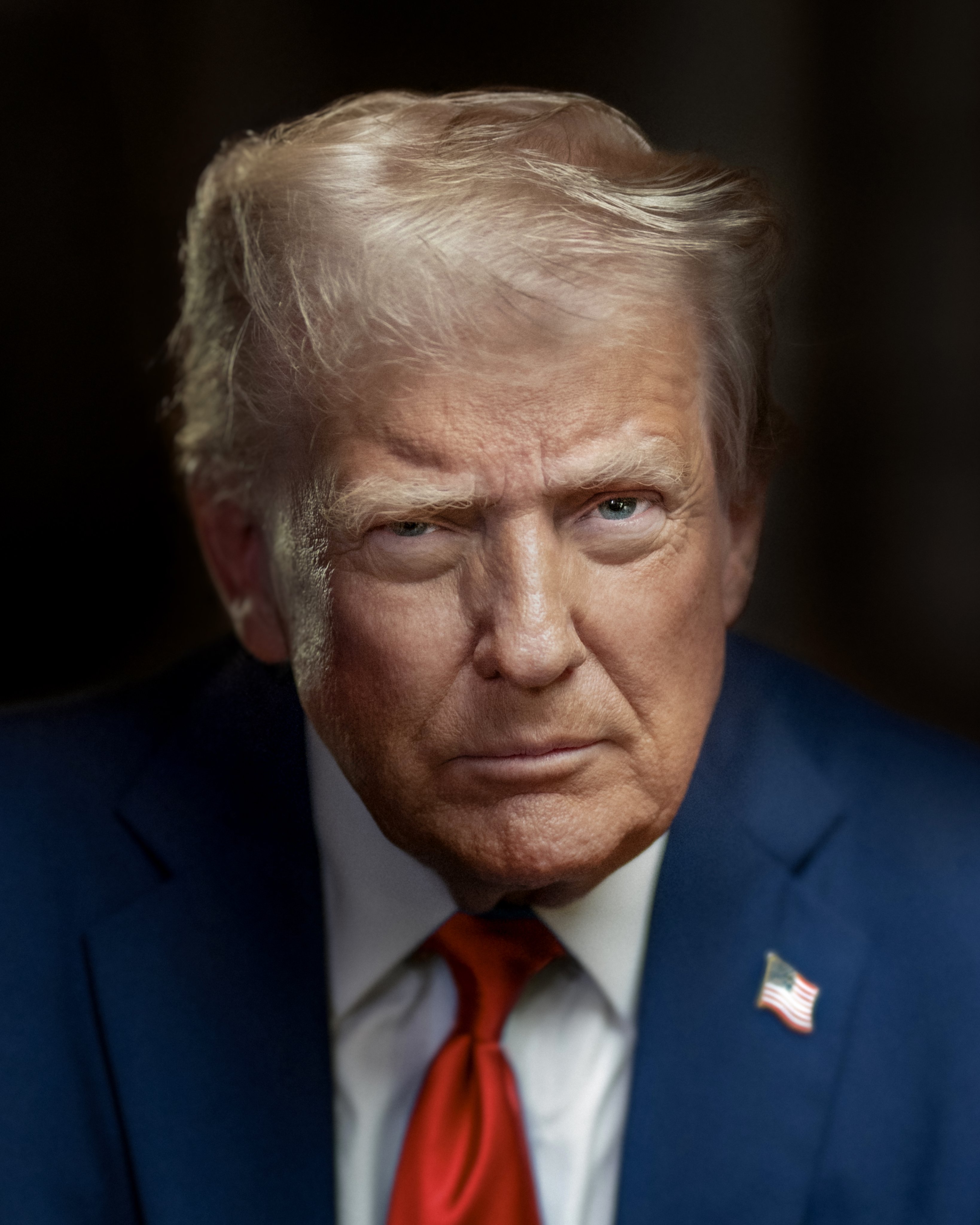
Market Overview
Judy Shelton, a monetary policy hawk and long-time critic of the Federal Reserve's institutional framework, faces an extremely steep climb to the Fed Chair position according to prediction markets. Currently trading at 0.8% probability across $16 million in volume, the market indicates traders view her confirmation as a remote possibility relative to other potential nominees who would emerge following Jerome Powell's tenure or earlier departure. The probability has ticked slightly upward from 0.7% a day prior, though this marginal movement reflects normal market variance rather than any substantive shift in confirmation prospects.
Why It Matters
The Fed Chair role represents one of the most consequential economic policy positions in the world, directly shaping monetary policy, interest rates, and financial stability. Shelton previously faced a Senate confirmation vote in 2020 for the Federal Reserve Board of Governors, ultimately failing to secure support despite Republican backing. Her nomination to the Chair position—a more powerful role requiring broader consensus—represents a distinct question, but her previous confirmation difficulty signals substantial political obstacles. The market's near-dismissal of her prospects underscores institutional resistance to nominees who have publicly questioned the Fed's independence and advocated for significant structural reforms.
Key Factors
Shelton's path to confirmation is complicated by several structural challenges. Her previous public statements criticizing Federal Reserve independence, coupled with her advocacy for gold standard-adjacent policies and skepticism toward the Fed's dual mandate framework, have generated opposition from Senate Democrats and moderate Republicans concerned about institutional stability. The Senate's traditional deference to Fed independence—a norm that has held even under polarized conditions—creates a high bar for nominees perceived as ideologically antagonistic to the institution itself. Additionally, the timeline matters: confirmation depends on a vacancy opening and no alternative nominee gaining momentum, both contingencies that appear remote given Powell's position and the broader field of potential candidates. Market participants appear to view other policy-aligned nominees as more likely confirmation paths for a Republican-led Senate seeking Fed leadership change.