Market Overview
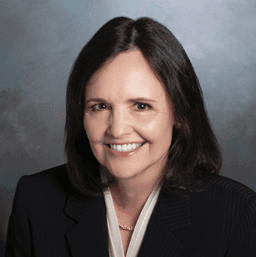
Judy Shelton's odds of becoming Federal Reserve Chair stand at 0.3% with nearly $17.5 million in trading volume, indicating substantial market interest despite the minimal probability assigned. This near-zero pricing reflects the market's assessment that confirmation remains a remote possibility. The question contains an important temporal component: if no Fed Chair confirmation occurs by December 31, 2026, the market resolves to \"Other,\" creating a specific window in which Shelton would need to navigate the confirmation process.
Why It Matters
The Federal Reserve Chair represents one of the most influential economic policy positions in the U.S. government, with authority over monetary policy affecting interest rates, inflation, and employment. The confirmation process provides a critical veto point for Senate opposition. Understanding market-implied probabilities for specific nominees offers insight into how financial markets assess political feasibility and the strength of institutional constraints on executive power. Shelton's extremely low odds suggest traders believe confirmation barriers are difficult to overcome.
Key Factors Driving Low Probability
Shelton has faced significant headwinds in previous consideration for Fed positions. She was nominated as a Fed Governor in 2019 and withdrawn amid bipartisan concerns about her heterodox monetary policy views and perceived lack of alignment with Federal Reserve institutional norms. Her advocacy for policy positions outside mainstream central banking—including criticism of the Fed's independence and unconventional monetary policy frameworks—has generated opposition from banking committees and Fed establishment figures. Additionally, Fed Chair confirmation requires not only a Senate vote but also implies the sitting president has chosen to nominate her, itself a contingency that markets assign low probability.
The political composition of the Senate and the Fed's institutional culture both factor into the calculation. Fed Chair nominees typically enjoy broad bipartisan support and possess extensive central banking credentials. Shelton's record on these dimensions has been contested, and the market odds suggest traders view her as outside the conventional contender pool regardless of the political environment.
Outlook
For Shelton's probability to increase materially, several developments would be necessary: a major shift in Fed policy consensus that her views represent mainstream thinking, explicit White House commitment to nominating her as Chair, or significant changes in Senate composition and priorities around Fed governance. The 0.3% pricing reflects a baseline assessment that such a confluence of events carries minimal likelihood. Markets will likely reassess if new information emerges regarding Fed Chair succession planning or if Shelton's policy positions gain substantially broader institutional acceptance.