Market Overview
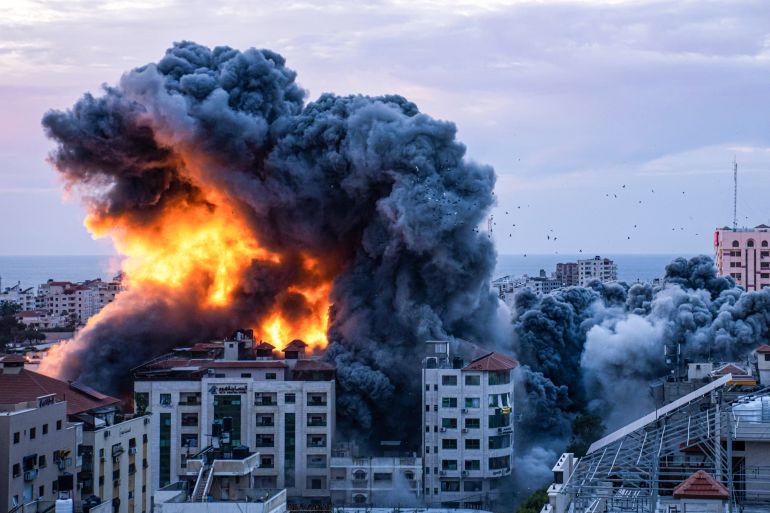
Prediction markets are currently assessing a 35.2% probability that Israel will initiate drone, missile, or air strikes against at least three different countries during 2026. With $1.9 million in trading volume, the market reflects substantial investor interest in quantifying the likelihood of expanded Israeli military operations beyond its immediate borders. The probability has remained stable over the past 24 hours, suggesting the market has reached an equilibrium valuation based on available information and geopolitical assessments.
Why It Matters
The scope of Israeli military strikes carries significant implications for regional stability, humanitarian concerns, and international relations across the Middle East. A three-country threshold represents a meaningful escalation scenario—one that extends beyond routine border security operations to suggest a broader military campaign. Accurate probability assessment helps investors, policymakers, and analysts gauge how markets perceive the likelihood of such escalation, and the current 35% level indicates meaningful but not dominant expectations of such an outcome.
Key Factors
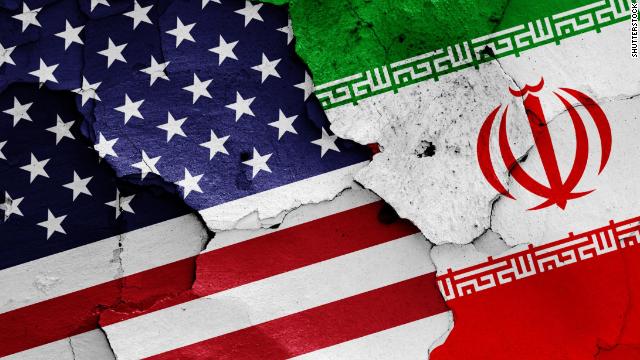
Several factors shape current market pricing. Historical patterns of Israeli military operations provide a baseline: strikes have typically targeted a limited set of adversaries, though the definition here excludes Gaza and the West Bank, narrowing the eligible target set. The market's current probability reflects assessments of regional tensions, the strength of armed groups in neighboring territories, Iranian nuclear and military developments, and the political composition of Israeli leadership. The specific definition requiring official Israeli government acknowledgment or credible reporting consensus adds a verification requirement that moderates some uncertainty about what would qualify.
The 35.2% probability suggests markets view the three-country threshold as plausible but less likely than not. This implies traders believe either a more limited campaign focused on one or two states is more probable, or that current conditions do not justify expectations of major escalation. However, the substantial volume indicates genuine disagreement among participants about future trajectories.
Outlook
Market movement would likely respond to developments including escalations in proxy warfare, changes in Iranian missile or drone capabilities, shifts in Israeli government military policy, or significant attacks on Israeli territory. Conversely, diplomatic breakthroughs, international pressure, or regional de-escalation initiatives could shift probability downward. Traders should monitor both immediate incidents and longer-term strategic indicators—the relatively stable 24-hour price suggests the market is currently digesting available information without major new catalysts.