Market Overview
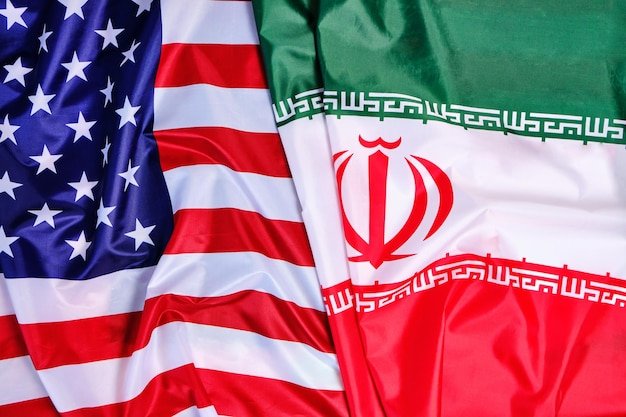
Prediction markets are currently assigning a 22.5% probability to a permanent peace deal between the United States and Iran by May 31, 2026, with trading volume of nearly $10 million indicating substantial market interest in the outcome. This modest probability has remained stable over the past 24 hours, suggesting no major catalyst has shifted trader sentiment recently. The binary nature of the contract—requiring explicit language about a lasting end to military hostilities or a definitive joint announcement—sets a high bar that excludes temporary truces, extensions, or diplomatic progress short of a formal agreement.
Why It Matters
The absence of a permanent peace deal between these regional powers carries significant implications for Middle Eastern stability, US foreign policy, and global oil markets. A comprehensive agreement would represent a historic shift in one of the world's most consequential geopolitical relationships, effectively ending decades of covert and overt conflict. Conversely, the continued absence of such an accord suggests the persistence of sanctions regimes, proxy conflicts, and military posturing that shape regional dynamics and influence broader international relations.
Key Factors
Several structural impediments appear to be weighing on the probability. The historical record shows that major US-Iran negotiations—from the nuclear accord to hostage releases—have taken years to consummate and often collapsed at critical junctures. Domestic political considerations in both countries create significant obstacles: US administrations face pressure from Gulf allies and hawkish constituencies skeptical of Iranian intentions, while Iran's leadership must contend with hardliners opposed to concessions perceived as capitulation. The resolution criteria require not merely diplomatic statements or progress, but a formally signed agreement or unambiguous public confirmation of a permanent end to hostilities, a standard substantially higher than preliminary frameworks or ceasefire extensions.
Outlook
The 22.5% probability reflects trader consensus that while a deal remains possible—particularly if geopolitical shocks or leadership changes alter calculations in either country—the path to a comprehensive, permanent settlement remains narrow over the 18-month window. Developments that could materially shift the odds include significant changes in US or Iranian political leadership, a major regional escalation that creates incentives for de-escalation, or breakthrough progress in confidence-building measures. Conversely, renewed military incidents, further sanctions expansions, or hardline rhetoric from either side could drive the probability even lower. The current odds suggest markets view a permanent peace deal as a tail-risk outcome rather than a baseline scenario.