Market Overview
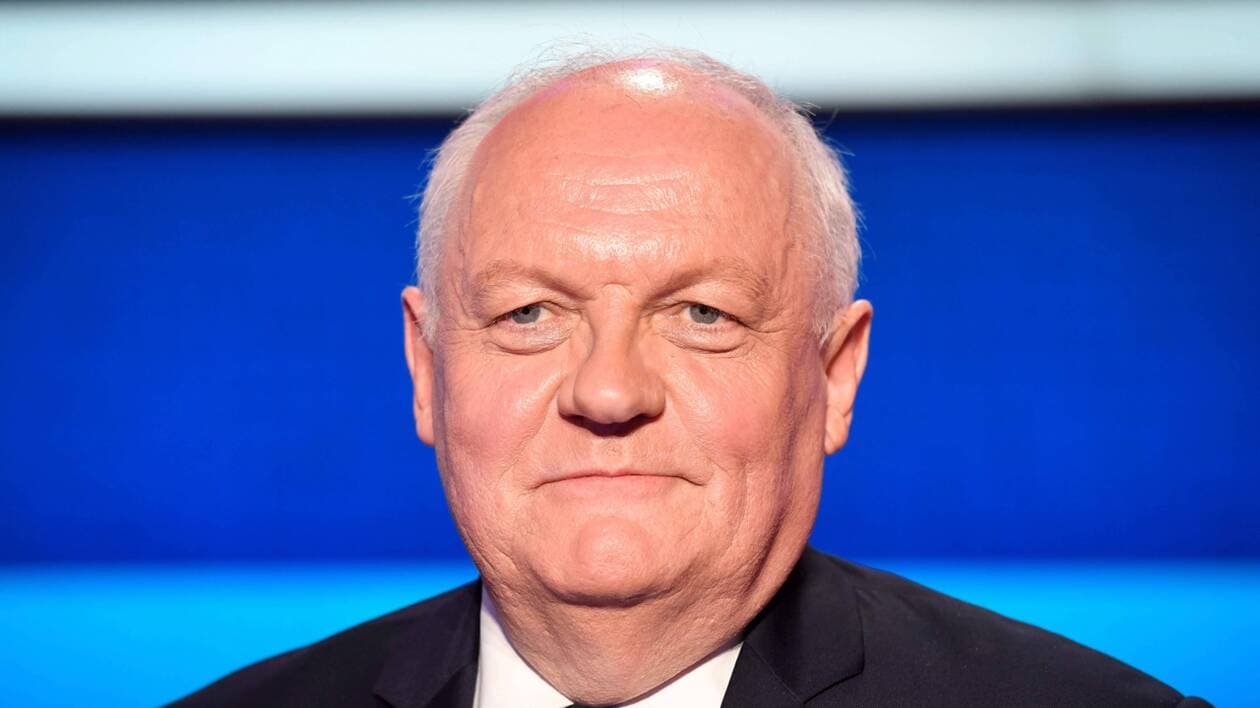
A prediction market tracking Iran's political leadership is currently pricing a 65.1% probability that Mojtaba Khamenei will be the de facto head of state of Iran on December 31, 2026. The market definition emphasizes effective governing control rather than formal titles, specifying that resolution depends on who demonstrably exercises primary authority over the armed forces, state institutions, and executive decision-making at that time. With $1.7 million in trading volume, the market has shown stability over recent weeks, holding steady at the 65% level.
Why It Matters
The succession of Iran's Supreme Leader—currently Ayatollah Ali Khamenei, who is 85 years old—represents one of the most significant political uncertainties in the Middle East. The Supreme Leader controls the military, judiciary, state media, and revolutionary guard forces, making succession a matter of regional and global consequence. Mojtaba Khamenei, the Supreme Leader's son, has been viewed by many analysts as a likely successor, though the Iranian constitutional process for succession remains opaque and contested. The timing of this market—resolving at the end of 2026—aligns with realistic windows in which health-related or political developments could precipitate a transition of power.
Key Factors
The 65% probability reflects several competing considerations. Supporting a Mojtaba Khamenei succession: he has accumulated significant behind-the-scenes influence, reportedly controls substantial business interests and security apparatus elements, and benefits from family proximity to power. Additionally, a succession to a family member could preserve regime continuity that senior clerics and security officials might prefer to institutional alternatives. Factors creating uncertainty: the Iranian constitution nominally vests succession authority in the Assembly of Experts (a clerical body), which could select an alternative candidate; Mojtaba's relative lack of formal religious credentials compared to other senior clerics; and the possibility of internal regime instability or external pressure that could disrupt any orderly transition. The 35% probability assigned to alternative outcomes encompasses scenarios in which another figure (such as a senior cleric or security official) assumes de facto control, or in which no single individual exercises clear governing authority during the transition period.
Outlook
The market's current stability suggests that traders view the probability as relatively well-established given available information, with few imminent catalysts expected to substantially shift odds in the near term. Developments that could shift the market include public statements from Iranian leadership about succession processes, visible changes in Mojtaba Khamenei's institutional position or access, health-related news about the current Supreme Leader, geopolitical crises that alter regime dynamics, or signals from the Assembly of Experts about succession preferences. The 2026 resolution date provides roughly 18-24 months for such information to emerge, making this market a vehicle for pricing medium-term uncertainty about Iran's political future rather than an immediate succession forecast.