Market Overview
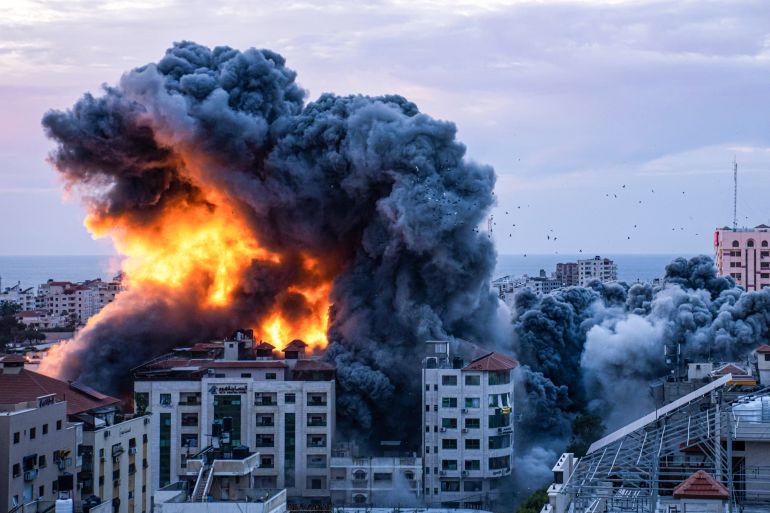
A prediction market focused on potential military action against Iran's Isfahan Nuclear Technology Center has reached maximum probability, trading at 100% with over $1.37 million in volume. The market, which runs through March 31, 2026, resolves to \"Yes\" if the U.S. or Israel conducts a kinetic military strike—including drone strikes, missile attacks, or aerial bombing—against the facility. The certainty reflected in current odds represents a significant statement about trader expectations regarding escalation in the Middle East conflict.
Why It Matters
The Isfahan Nuclear Technology Center is a key component of Iran's nuclear infrastructure, and its targeting would represent a major escalation in the ongoing tensions between Iran and Western powers. A kinetic strike on nuclear facilities carries substantial geopolitical consequences, including potential for wider conflict, humanitarian concerns, and regional destabilization. The market's perfect odds suggest traders are pricing in not just elevated risk, but near-certainty of action, which contrasts sharply with the inherent unpredictability of military and diplomatic decision-making.
Key Factors
Several dynamics appear to be driving the extreme probability assessment. Recent escalations between Israel and Iran, including previous military exchanges, have heightened tensions in the region. The U.S. military posture toward Iran, ongoing concerns about nuclear weapons development, and political pressure from various actors all create conditions that traders interpret as conducive to military action. However, the 100% probability reading is unusual for any geopolitical event with a 15-month resolution window, where diplomatic breakthroughs, policy shifts, or de-escalation remain possible.
Outlook
The market's perfect odds present an interpretive challenge: they may reflect genuine trader conviction about imminent action, or they could indicate liquidity concentration and positioning biases rather than a true consensus estimate. Historical precedent suggests that predictions markets rarely sustain 100% probability on events with extended timelines and multiple possible outcomes. Traders should monitor shifts in regional tensions, diplomatic communications, and any de-escalation signals that could pressure the market toward lower probabilities. The volume and stability of current odds warrant attention to whether conviction remains firm or whether the extreme reading reflects market microstructure rather than fundamental expectations.