What Happened
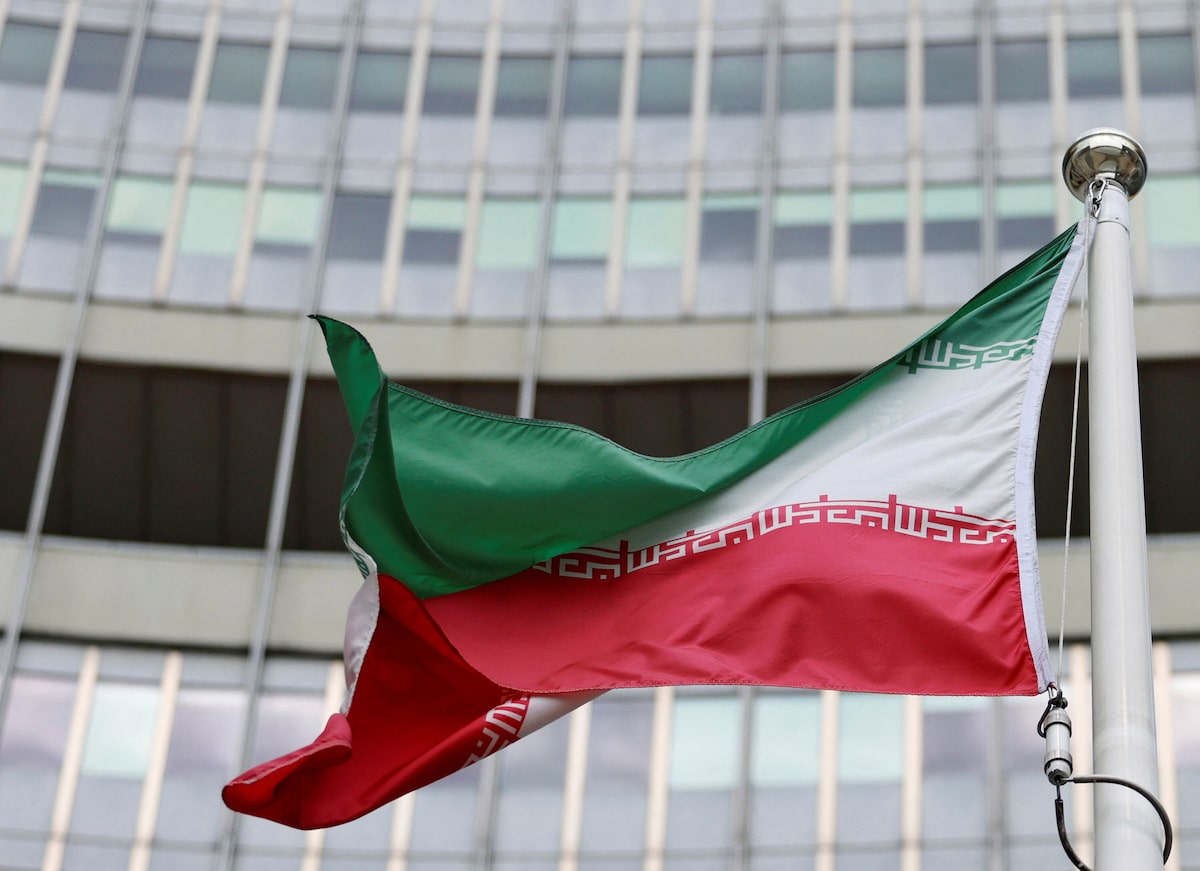
Prediction market pricing for Iran withdrawing from the Nuclear Non-Proliferation Treaty jumped 33 percentage points over a compressed trading period, with odds moving from 16.5% to 49.5%. The move accompanied significant trading activity of $116,428, placing the market in the top quartile for volume. The sharp repricing suggests traders are incorporating new information or reassessing existing geopolitical risks related to Iran's nuclear posture and regional military position.
Why It Matters
An Iranian NPT withdrawal would represent a dramatic escalation in the nuclear standoff between Tehran and Western powers. Article X of the treaty permits signatories to withdraw upon three months' notice if they determine \"extraordinary events related to the subject matter of this Treaty have jeopardized the supreme interests of its country.\" Such a withdrawal would remove international legal constraints on Iran's nuclear program and signal Tehran's decision to pursue weapons development openly. The market's repricing suggests participants now view this scenario as a material possibility rather than a remote tail risk.
Market Context
The magnitude of the move—from roughly 1-in-6 odds to 1-in-2 odds—indicates a significant shift in how traders are weighing Iran's strategic calculations. The timing coincides with acknowledged tensions over regional military assets and broader Middle East security dynamics. High trading volume supports the view that this represents genuine market discovery rather than algorithmic noise, with multiple participants adjusting positions based on similar concerns.
Outlook
Market pricing now reflects substantial uncertainty about Iranian nuclear policy through 2026. The 49.5% level suggests near-parity between scenarios where Iran remains in the treaty framework and scenarios where it withdraws. Further developments in regional military confrontations, international negotiations, or Iranian domestic politics could shift these odds materially. Traders will likely watch for official Iranian statements, UN-focused diplomatic activity, and broader Middle East escalation indicators as confirmation or reversal signals for this repricing.