Market Overview
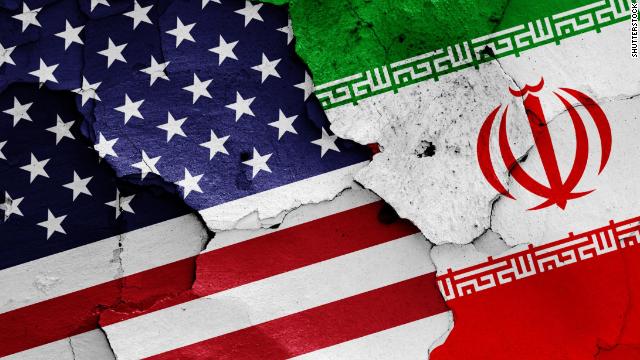
With $17.9 million in volume and near-zero movement over 24 hours, the Iran military incursion prediction market has settled into a stable position that prices the prospect of US ground forces physically entering Iranian territory by year-end at just 0.7%—effectively pricing in near-certainty of no such event. The market's stability suggests that participants have largely reached consensus on this outcome, though the small residual probability reflects acknowledgment of geopolitical tail risks that remain difficult to fully dismiss.
Why It Matters
The question carries significant geopolitical weight, as a US ground military incursion into Iran would represent a major escalation of Middle Eastern tensions and could signal either a dramatic shift in US military posture or a severe deterioration in regional security. For investors and analysts tracking geopolitical risk, the market's signal is clear: despite periodic rhetoric and military posturing, the base case among prediction market participants is that diplomatic and military constraints will prevent such an action in the coming weeks. This carries implications for energy markets, sanctions regimes, and broader assessments of conflict risk in the region.
Key Factors Driving the Probability
Several structural factors appear to be keeping the probability at the extreme tail: the year-end deadline leaves only weeks remaining, any ground incursion would require significant military mobilization and positioning that would likely be detected in advance, diplomatic and domestic political costs would be substantial, and the resolution criteria specifically exclude contractors, advisors, and diplomatic personnel, narrowing the scenarios that would qualify. International law and potential responses from other powers also create friction against such action. The market definition itself—requiring physical terrestrial entry—excludes airstrikes, drone operations, and cyber operations, further constraining qualifying scenarios. Additionally, any such operation would need to overcome intelligence and military planning timelines that typically extend beyond a few weeks for operations of this scale.
Outlook
Unless a dramatic geopolitical shock occurs—such as a large-scale Iranian attack triggering immediate US retaliation or a fundamental shift in regional power dynamics—the probability is unlikely to shift materially before year-end. The market appears to have priced in all reasonably foreseeable scenarios. Participants monitoring this contract should watch for triggers such as major terrorist attacks, strait-of-Hormuz incidents, or sudden escalations that could alter military calculus, but the current consensus reflects the practical reality that ground military entry remains an extreme tail event in the current strategic environment.