Market Overview
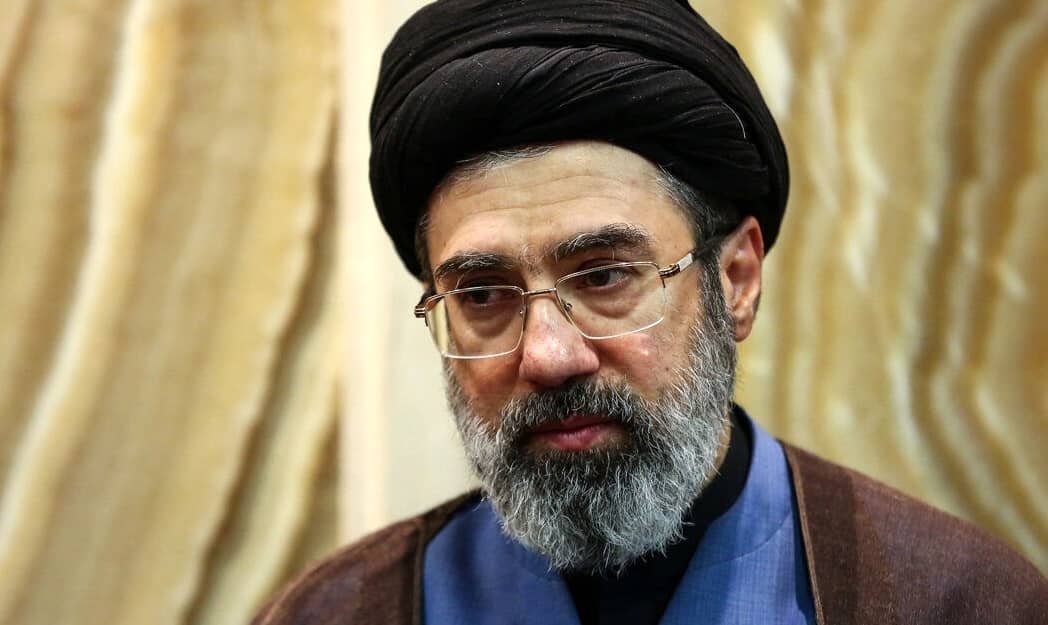
Prediction markets are currently pricing a roughly one-in-three chance that Mojtaba Khamenei will cease to be Iran's de facto leader by the end of 2024, with the probability holding steady at 33.5% over the past 24 hours. The market, which has generated over $2 million in trading volume, reflects significant uncertainty about the continuity of Iran's current power structure. The baseline of 33.5% suggests traders view a leadership transition as a meaningful possibility—well above a nominal \"tail risk\"—yet still less likely than the status quo holding.
Why It Matters
The succession of Iran's Supreme Leader is among the highest-stakes political transitions in the Middle East, with implications for regional stability, U.S.-Iran relations, and global oil markets. Any interruption to Khamenei's de facto authority—whether through forced removal, detention, or incapacitation—would represent a seismic shift in Iranian governance. The market's willingness to assign roughly equal odds to continuity versus transition signals that participants perceive genuine vulnerability in the current leadership despite the Supreme Leader's formal position as the apex of Iran's power structure. The flat price movement over 24 hours indicates the market has settled into a relatively stable assessment rather than responding to breaking news.
Key Factors
Several structural dynamics inform the elevated transition probability. Iran's advanced age and health considerations within its leadership, combined with ongoing U.S. sanctions pressure and regional conflict exposure, create conditions where sudden power vacuums remain possible despite institutional safeguards designed to prevent them. Domestic discontent, factional competition within the regime, and the legacy of previous succession crises provide historical precedent for instability. The market's definition—which includes removal, detention, or prevention from acting—casts a wider net than a formal announcement alone, capturing scenarios ranging from a coup or internal power struggle to health crises or external military action affecting the leader's capacity to govern. The reliance on \"credible reporting consensus\" as the resolution standard introduces some interpretive flexibility, though major developments would likely trigger clear reporting.
Outlook
The stability of the 33.5% probability over recent sessions suggests the market has largely priced in current information and geopolitical conditions. Movement in this market would likely respond to developments such as escalating regional military conflict, confirmed health crises affecting Iran's leadership, credible reports of internal regime fractures, or major changes in U.S. foreign policy toward Iran. Conversely, a period of relative calm and no visible succession jockeying could gradually shift odds toward the status quo. With approximately five weeks remaining until the December 31 deadline, the market's current pricing reflects meaningful but not extreme tail risk—traders are hedging against genuine uncertainty while maintaining the view that Khamenei's continued de facto leadership remains the more probable outcome.