Market Overview
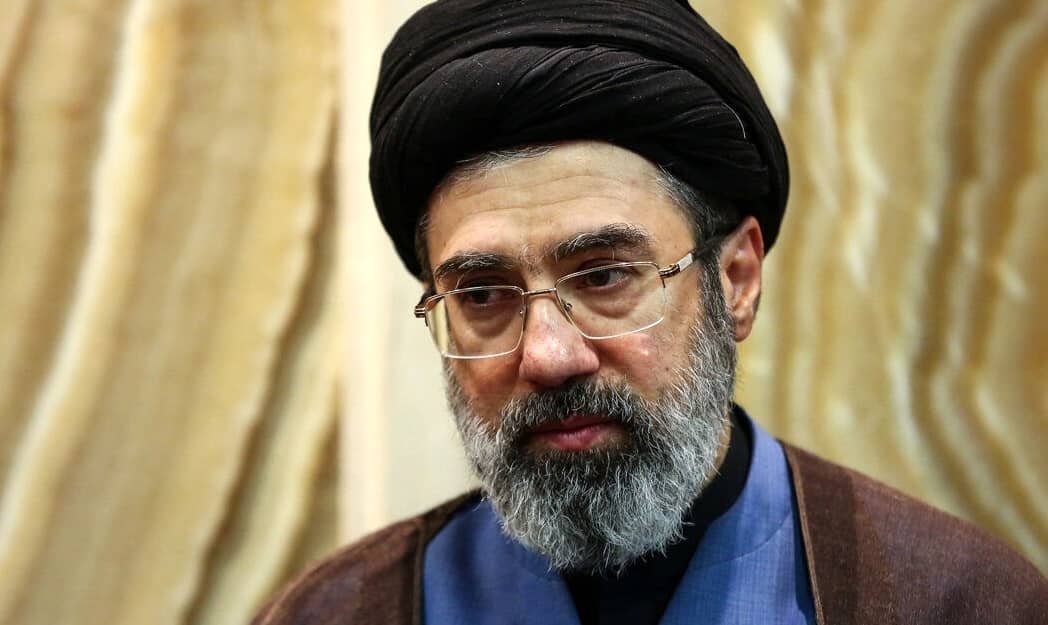
Prediction markets are assigning roughly even odds against a major leadership transition in Iran within the next 12 months, with the probability of Mojtaba Khamenei losing his position as de facto leader set at 33.5%. The market has remained stable at this level, with $2.1 million in volume traded, indicating consistent participant interest in what would constitute a significant geopolitical shift. The relatively high probability reflects market assessment of concrete risks to regime continuity, though traders still view the status quo as more likely than not.
Why It Matters
The Supreme Leader of Iran controls the military, judiciary, and state media, making any loss of power a watershed moment in Middle Eastern politics. Such a transition could occur through multiple channels: removal by opposition forces, detention related to internal power struggles, voluntary resignation, or incapacitation due to health or other factors. The resolution criteria explicitly account for an official announcement alone qualifying for a \"Yes\" outcome, meaning market participants are pricing in not just secret power grabs but also official acknowledgment of change. International markets, particularly those tied to oil, sanctions, or regional security, would likely respond sharply to such an event.
Key Factors
The 33.5% probability reflects several underlying dynamics. Iran faces ongoing internal instability following recent protests and factional tensions within the ruling establishment. Economic hardship, international sanctions, and generational discontent create background pressure on the regime. Additionally, Mojtaba Khamenei's succession position—he is Supreme Leader Ayatollah Ali Khamenei's son and was positioning to inherit power—introduces uncertainty about the stability of that succession path. However, the market's assessment that leadership change remains unlikely reflects the Supreme Leader's institutional control over security forces and the difficulty of mobilizing sufficient power against the regime's core pillars. The market probability suggests traders view risks as material but manageable from the regime's perspective.
Outlook
The stability of this probability at 33.5% despite broader regional developments suggests the market has already priced in current-state risks and is awaiting significant new information to shift expectations substantially. Developments that could raise the probability include evidence of serious health crises, credible reports of internal coup plotting, major military defeats or defections, or unexpected announcements from regime insiders. Conversely, demonstrations of regime consolidation—successful security operations, unifying external threats, or clear succession planning—could push probabilities lower. The December 31 deadline provides a relatively short timeframe; most scenarios involving deliberate regime change or succession would likely take longer to materialize, which may partially explain why the market prices the event as possible but unlikely.