Market Overview
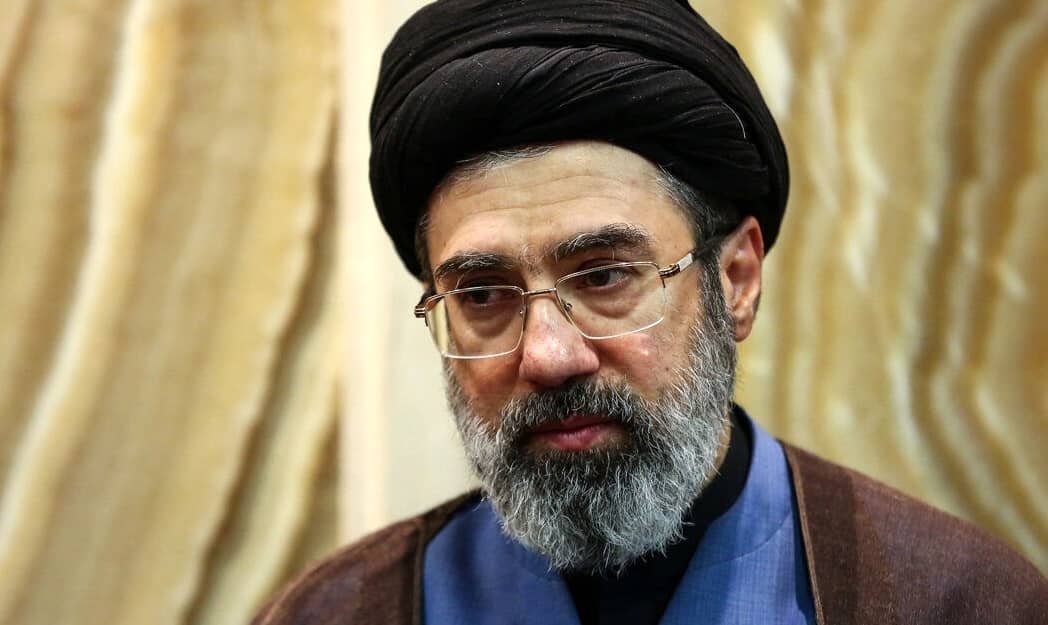
Prediction markets currently price the probability of Iran's Supreme Leader Mojtaba Khamenei ceasing to be the de facto leader of Iran by year-end at 33.5%, with trading volume of approximately $2.08 million indicating substantial interest in the outcome. This level represents a moderate but meaningful assessment of transition risk, implying traders see roughly a one-in-three chance of leadership change—whether through removal, detention, resignation, or loss of effective authority—over the next several months. The stable pricing suggests no recent sharp catalyst has shifted expectations materially.
Why It Matters
The succession question carries significant implications for Iran's domestic politics and regional standing. Mojtaba Khamenei, the son of former Supreme Leader Ayatollah Khamenei who died in 2023, inherited the position at a time of internal political complexity and external pressure. A change in de facto leadership could signal major instability within Iran's governing structures, potential power struggles among competing factions, or shifts in policy direction. The market's baseline 33.5% probability suggests meaningful but not overwhelming consensus that such a transition is plausible within this compressed timeframe.
Key Factors
Several structural factors underpin the current pricing. Iran's political system involves complex institutional arrangements and factional dynamics, creating inherent uncertainty around succession and power consolidation. Health concerns, institutional opposition, or rival power centers could theoretically trigger a transition, though no specific recent developments have been publicly documented to shift the market sharply. The definition of \"de facto leader\"—including removal, detention, or loss of effective authority—casts a wider net than formal resignation alone, broadening the resolution criteria. International context, including sanctions pressure and regional tensions, adds to baseline political volatility. The 33.5% level appears to reflect both structural fragility and the reality that significant transitions typically face high barriers to realization in the short term.
Outlook
Future movement in this market will likely depend on developments in Iran's factional politics, any public signals of institutional stress, health-related reports, or statements from senior officials. Given the compressed timeframe—less than a full year—the market is pricing a genuine but minority-probability scenario. Resolution will require credible reporting consensus on whether Khamenei has ceased to hold effective authority, setting a high evidentiary bar. Traders should monitor Iranian state media, international news coverage of leadership dynamics, and any signals from factional actors within Iran's government for potential drivers of repricing.