Market Overview
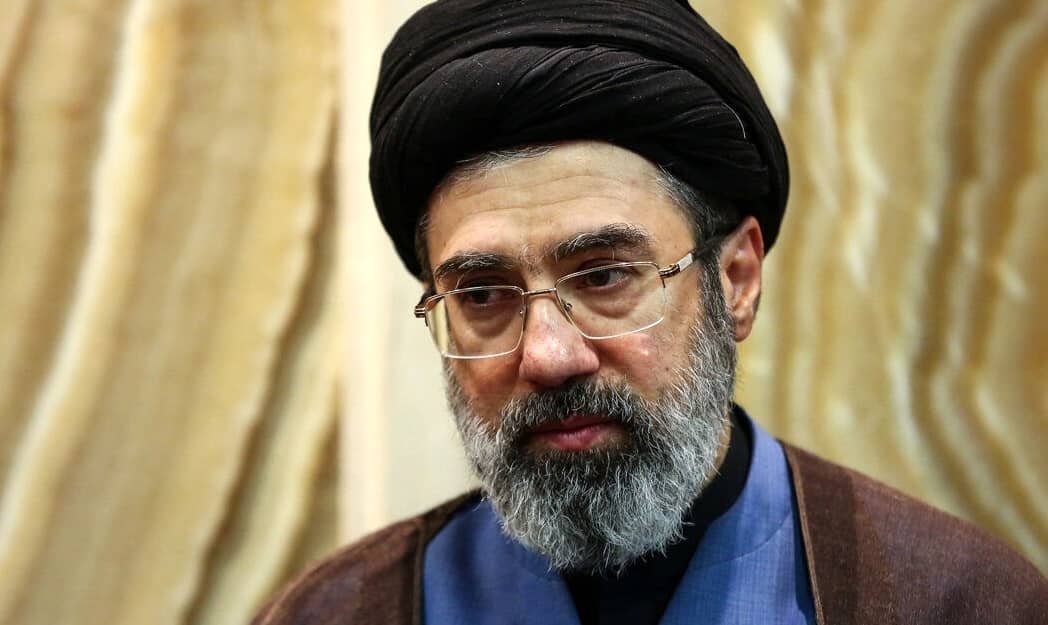
Prediction markets are currently assigning 33.5% odds to a leadership change in Iran before year-end, with $2.08 million in trading volume indicating meaningful engagement among market participants. This probability suggests traders view a succession involving Mojtaba Khamenei—who has been widely regarded as the presumed heir to Supreme Leader Ali Khamenei—as a plausible but far from inevitable scenario within the next several months. The stable probability over the past 24 hours indicates the market has reached a relatively settled consensus rather than reacting to breaking news.
Why It Matters
The succession question carries substantial geopolitical implications. Iran's Supreme Leader holds executive, judicial, and military authority, making any change to the de facto leadership a pivotal development for regional stability, nuclear negotiations, and U.S. foreign policy. Mojtaba Khamenei, as the current Supreme Leader's son, has long been positioned as a successor, but the Iranian political system involves competing power centers and factional interests that could disrupt such succession plans. A leadership change would signal either a health crisis among top officials, an internal power struggle with unexpected intensity, or a successful political challenge to the ruling structure.
Key Factors
Several dynamics appear to underpin the 33.5% probability. First, uncertainty about Ali Khamenei's health—he is 85 years old and has faced documented health issues in the past—creates a structural reason to price succession risk into markets. Second, Iran's factional politics remain opaque to outside observers, with periodic reports of tensions between conservative hardliners, pragmatists, and reformers that could manifest suddenly in leadership disruptions. Third, the resolution criteria are broad, encompassing removal, detention, or loss of position, which technically lowers the bar compared to a complete formal succession. However, the relatively moderate probability level suggests markets do not currently assess an acute crisis or imminent transition; rather, they price in baseline succession risk over a six-month horizon.
Outlook
Movements in this market would likely be triggered by credible reporting on the health of senior Iranian officials, unexpected arrests or purges within the security apparatus, public statements signaling internal power struggles, or major shifts in Iranian foreign policy that might indicate leadership instability. The current 33.5% level represents a middle ground between near-term stability and acknowledgment of succession risk inherent to aging authoritarian systems. Unless new information emerges regarding Iranian leadership dynamics, this probability may remain range-bound, reflecting structural uncertainty rather than speculative positioning.