What Happened
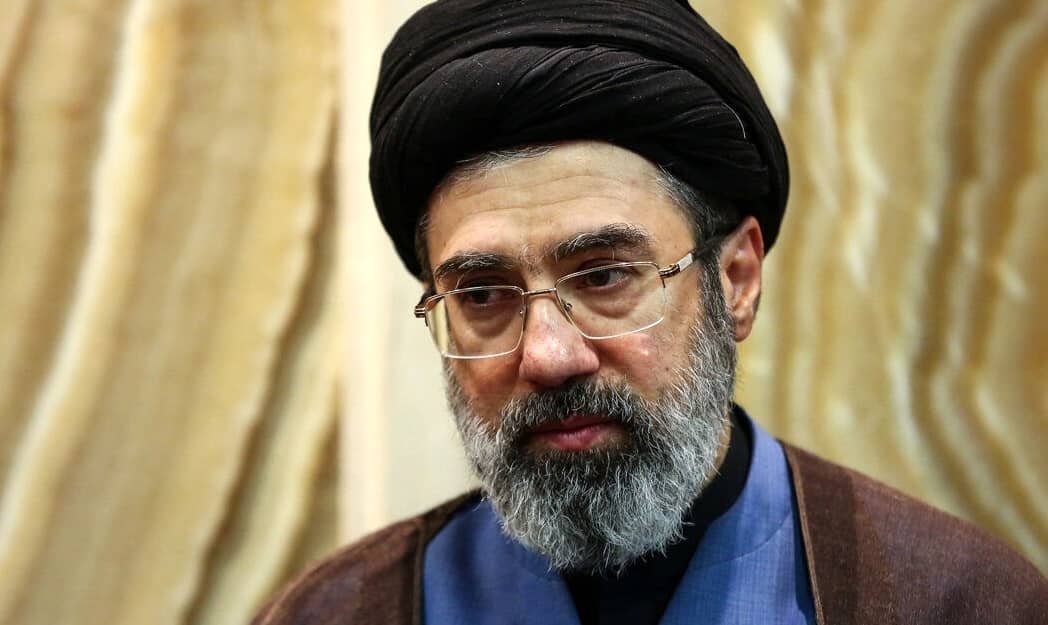
A prediction market tracking the possibility of a leadership change in Iran experienced a dramatic 48.3 percentage-point shift in implied probability over a compressed timeframe. The market, which resolves \"Yes\" if Mojtaba Khamenei—the son of the late Supreme Leader Ayatollah Khamenei and widely viewed as his heir—is removed from power, detained, or otherwise loses his position as de facto leader, moved from 1.3% to 49.5%. The surge occurred alongside substantial trading activity, with $4.6 million in volume reflecting significant capital repositioning and genuine disagreement among market participants about Iran's political trajectory.
Why It Matters
The shift suggests prediction market traders are assessing material new risks to Iran's leadership continuity over the coming four months. Mojtaba Khamenei's status as the de facto leader represents a key pillar of regime stability; any uncertainty about his position carries implications for Iran's domestic governance, regional policy, and international relations. A near-50% implied probability represents a coin-flip assessment of political change—a dramatic escalation from the previous assessment that such an event was nearly impossible. This magnitude of repricing typically reflects either new information, changed circumstances, or evolving consensus about existing conditions within the prediction market community.
Market Context
Prediction markets function as aggregation mechanisms for distributed information, converting real money commitments into probabilistic assessments. The substantial volume accompanying this price movement indicates the shift was not driven by thin or speculative trading but reflected genuine reallocation of capital based on updated views. The market's resolution criteria specify that an official announcement of resignation or removal qualifies regardless of implementation timing, lowering the bar for resolution beyond sudden coups or dramatic events. This means traders are pricing in scenarios ranging from internal regime decisions to forced departures.
Outlook
The current 49.5% level suggests the market is now positioned near equilibrium, with roughly equal conviction on both sides of the question. Traders monitoring this market will likely watch for developments related to Iran's internal succession dynamics, health conditions of senior leadership, geopolitical tensions that might force regime adjustments, or any signals from within Iran's power structure regarding leadership transitions. The four-month timeframe to April 30 provides a defined window for resolution, after which the market will either validate or decisively invalidate the elevated probability currently priced in. The dramatic move warrants attention as a potential signal of shifting assessments about Iranian political stability, though the specific catalyst for the repricing remains unclear from market data alone.