Market Overview
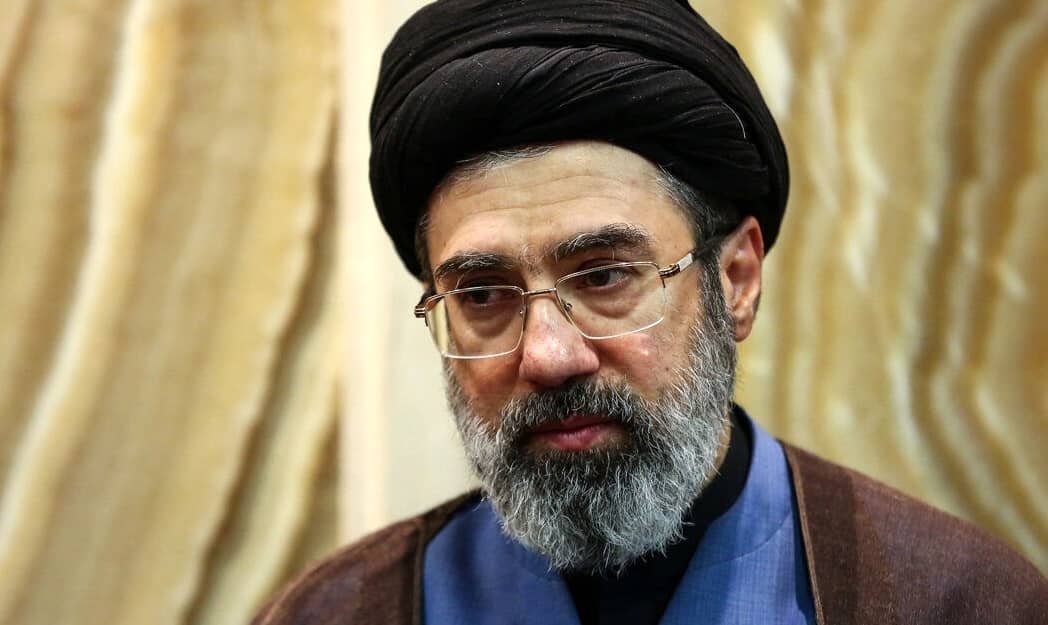
The Iran leadership change prediction market has stabilized at a 33.5% probability, with over $2 million in volume, indicating substantial trader interest in the question of whether Mojtaba Khamenei—the designated successor and eldest son of Supreme Leader Ayatollah Ali Khamenei—will lose his de facto position within the year. The odds imply traders see roughly a one-in-three chance of such a change occurring before year-end, a significant probability for a geopolitical event of this magnitude. The market has shown stability around this level, with no sharp movements in the past 24 hours, suggesting traders have largely priced in current information and assessed the baseline risk.
Why It Matters
A change in Iran's supreme leadership or the status of its designated heir would represent one of the most consequential political shifts in the Islamic Republic since the 1979 revolution. Iran's political system concentrates immense power in the Supreme Leader's office, making succession questions central to regional stability and international relations. Any disruption to the current leadership structure could reshape Iran's domestic policies, foreign relations, nuclear negotiations, and broader Middle Eastern geopolitics. For investors, policymakers, and international observers, the probability assigned to this scenario carries implications for everything from sanctions policy to regional proxy conflicts.
Key Factors
Several factors drive the 33.5% probability assessment. Ayatollah Ali Khamenei is 85 years old, raising natural succession questions and creating underlying uncertainty about the timing and nature of any leadership transition. Mojtaba Khamenei's profile remains lower than typical heirs apparent—he lacks formal religious credentials and has been kept outside official government positions, conditions that some analysts suggest could complicate his path to succession or make his position vulnerable to challenge. Iran's internal political factions—ranging from hardliners to reformists—have competing interests in succession outcomes, and any transition could trigger factional maneuvering or contestation. External pressures, including international sanctions, regional conflicts involving Iranian proxies, and potential military threats, create additional stress on the system that could accelerate or destabilize any leadership transition. The resolution criteria—which include removal, detention, or loss of position regardless of whether succession occurs formally—cast a broader net than a simple succession, capturing various scenarios from coup to incapacitation.
Outlook
The 33.5% probability reflects deep uncertainty rather than consensus expectation. Traders appear to be pricing in meaningful but not overwhelming risk of leadership change before year-end. This could shift with several developments: a significant health crisis affecting the Supreme Leader, escalation of internal political conflict visible to outside observers, international military action targeting Iranian leadership, or any public sign of factional challenge to the succession plan. Conversely, evidence of strengthened institutional support for Mojtaba Khamenei or reduced geopolitical tensions could lower the probability. With nine months remaining in the year, the market will likely remain sensitive to news from Iran regarding succession, health, and internal political developments, though the absence of sharp recent movement suggests traders are waiting for concrete signals before substantially repricing the scenario.