Market Overview
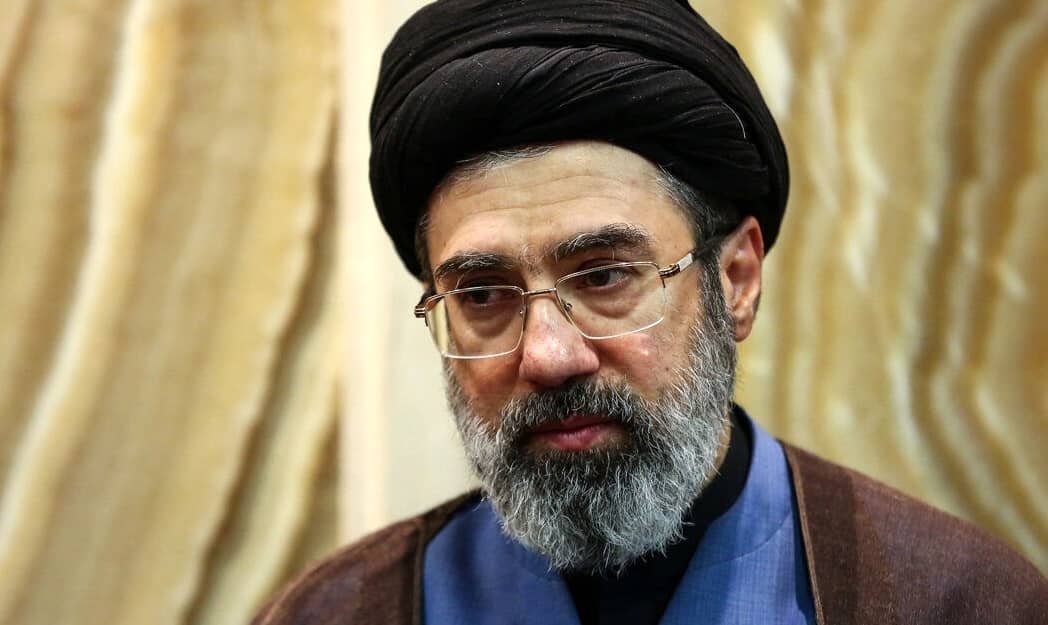
Prediction markets are currently pricing the probability of a change in Iran's de facto leadership at 33.5%, with trading volume of approximately $2.08 million indicating moderate but sustained investor interest. The market specifically concerns whether Mojtaba Khamenei—the son of Supreme Leader Ayatollah Ali Khamenei and widely regarded as his likely successor—ceases to be the de facto leader of Iran by December 31, 2024. The resolution criteria encompass removal from power, detention, loss of position, or any circumstance preventing him from functioning as de facto leader. The odds have remained stable at this level over the past 24 hours, suggesting the market has settled into a relatively consistent assessment of the succession risk.
Why It Matters
Iran's leadership structure centers on the Supreme Leader, who commands the military, judiciary, and state media. Any change in this position would carry significant geopolitical implications for the Middle East, given Iran's influence over regional proxy forces, nuclear negotiations, and broader US-Iran relations. A succession or unexpected leadership transition could alter Iran's domestic and foreign policy orientation, affect regional stability, and influence global energy markets. The market's moderate probability—neither dismissing the risk nor pricing it as imminent—reflects genuine uncertainty about Iran's political trajectory during a period of potential vulnerability.
Key Factors
Several factors appear to underpin the current 33.5% probability. Ayatollah Ali Khamenei is 85 years old, raising the organic possibility of succession planning or power transition in the near to medium term. Mojtaba Khamenei's role as presumed heir has long been discussed in succession analyses, though he has maintained a lower public profile than other potential contenders. Iran faces ongoing internal pressures, including economic sanctions, public discontent, and factional competition within the ruling establishment, which could trigger unexpected political shifts. Additionally, any major external shock—escalation in regional conflict, dramatic shifts in nuclear negotiations, or unforeseen health events—could accelerate or precipitate a leadership change. The market's assessment of roughly two-to-one odds against change by year-end suggests skepticism that succession would occur in such a compressed timeframe, even as it acknowledges meaningful risk.
Outlook
The stability of the 33.5% probability indicates the market may be approaching an equilibrium reflecting available information and historical base rates for such transitions. Future movements would likely depend on developments such as official statements about succession planning, observable changes in Mojtaba Khamenei's public role or access to power, significant escalations in Iran's security situation, or reports of health crises within the leadership. While year-end represents a relatively short window for an institutionalized succession in a large state apparatus, the market's willingness to price meaningful risk reflects recognition that Iranian politics can move rapidly and that informal de facto power shifts may occur without formal announcements.