Market Overview
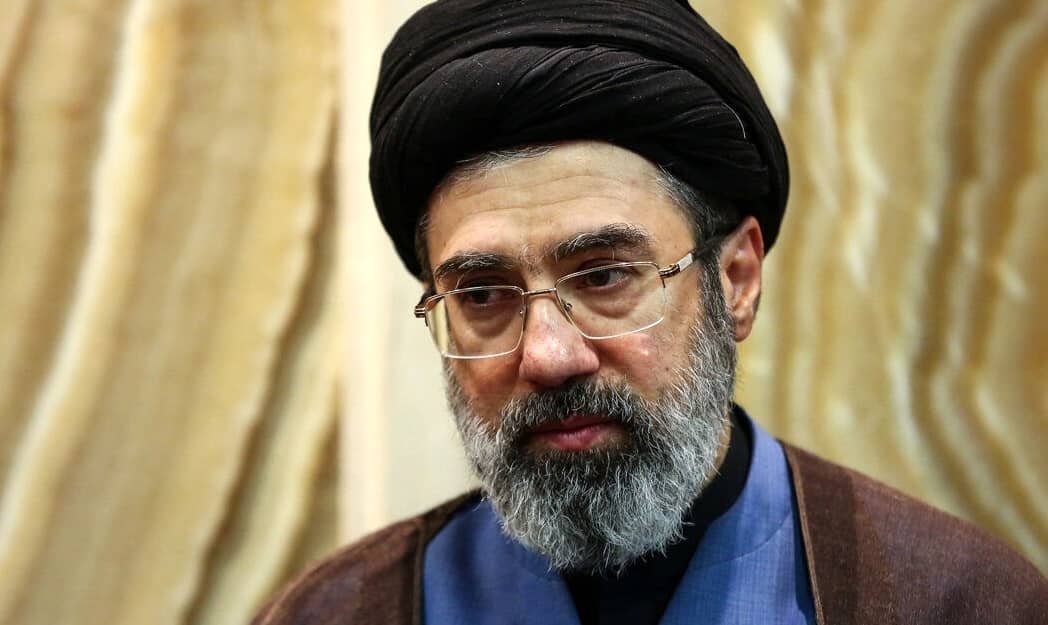
Prediction markets are currently assigning a 17.5% probability to a leadership transition in Iran involving Supreme Leader Mojtaba Khamenei within the next five months. The market, which has generated over $2.4 million in trading volume, has experienced a notable repricing upward—jumping 7 percentage points in the past 24 hours. This movement suggests traders are responding to new information or perceived shifts in the likelihood of a succession event, whether through removal, detention, or loss of de facto control.
Why It Matters
The Iranian succession question carries geopolitical weight given Iran's role in Middle Eastern conflicts, nuclear negotiations, and regional proxy networks. Any interruption in the current power structure could have cascading effects on Iranian foreign policy, regional stability, and international relations. The market's current odds imply traders see a non-trivial but still unlikely prospect of near-term leadership disruption—a probability that balances the relative stability of Iran's entrenched power apparatus against sources of potential instability.
Key Factors
Several variables underpin the market's current pricing. Mojtaba Khamenei's age and reported health status represent baseline considerations; any credible reports of deterioration could shift odds upward. Domestic political instability, including friction within Iran's factional landscape and public dissent, creates endogenous risks. External pressures—sanctions, military threats, or international diplomatic crises—could destabilize the regime. Additionally, succession mechanisms within Iran's Islamic Republic are opaque and lack formal institutional guardrails, creating uncertainty about how transitions might occur. The recent 7-point jump suggests traders may have incorporated new reporting on one or more of these dimensions, though the specific catalyst remains unclear from market data alone.
Outlook
The 17.5% probability places the outcome in the realm of meaningful but subordinate risk—roughly comparable to low-frequency geopolitical tail events. Movements in this market will likely track reports on Khamenei's health, internal Iranian political developments, escalations in regional conflicts, or sanctions pressure. The April 30 deadline provides a four-month window; longer-term succession uncertainty would be better captured by markets with extended horizons. Traders should monitor credible reporting from Iran specialists and intelligence assessments for signals that could justify further repricing in either direction.