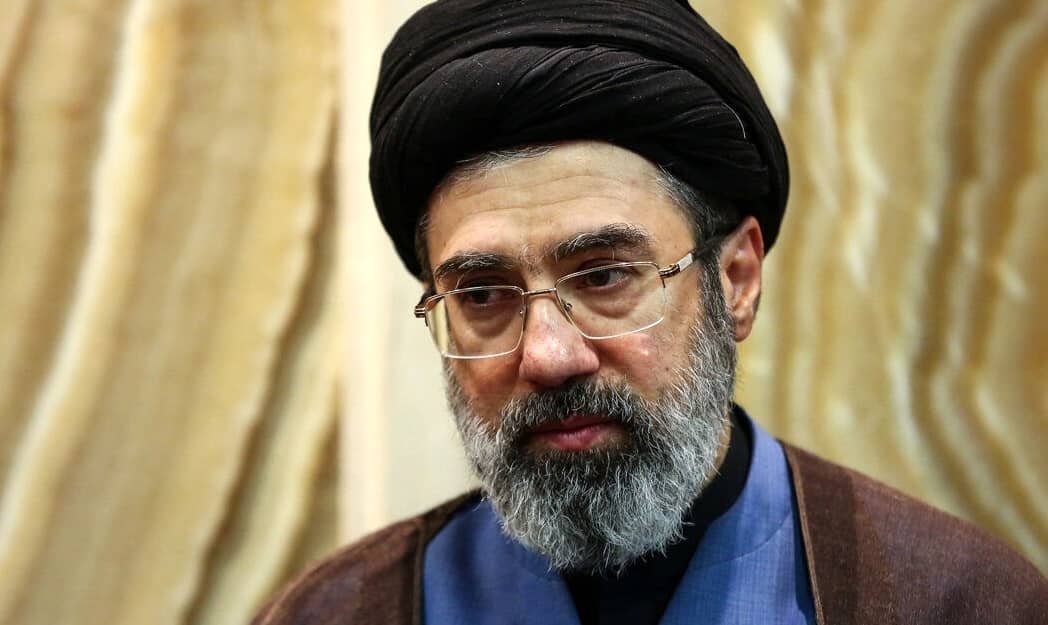
Market Overview
Prediction market participants are assigning roughly one-in-three odds that Mojtaba Khamenei will lose his position as Iran's de facto leader before December 31, 2024. The market has accumulated $2.08 million in volume, indicating substantial trader interest in the question. The 33.5% probability represents a meaningful but minority assessment that a leadership transition could occur within the specified timeframe.
Why It Matters
The question of Iran's supreme leadership carries significant geopolitical implications. As the highest-ranking official in Iran's political system, the supreme leader controls the military, judiciary, and state media, making any transition a major event with potential consequences for regional stability, nuclear negotiations, and international relations. The market's focus on Mojtaba Khamenei—the son of current Supreme Leader Ayatollah Ali Khamenei—reflects expectations about potential succession scenarios within Iran's ruling structure.
Key Factors
Several considerations appear to be driving the market's current probability. Ayatollah Ali Khamenei, who has held the supreme leader position since 1989, is 85 years old, raising natural questions about succession timing and potential transitions. Health concerns, political instability, or unforeseen events could theoretically trigger a change in de facto leadership before year-end. However, the market assigns substantially higher odds to continuity, suggesting traders view near-term transitions as unlikely despite underlying succession uncertainties. The resolution criteria—which counts removal from power, detention, loss of position, or prevention from acting as de facto leader—casts a relatively wide net, though each scenario remains speculative at present.
Outlook
The 33.5% probability indicates meaningful but limited market conviction in a leadership change occurring by December 31. Developments that could shift this probability include significant health events, major domestic political crises, or unexpected institutional changes within Iran's government. Conversely, continued stability and routine governance would likely reinforce the current minority-probability assessment. With eight months remaining in the timeframe, traders appear to be pricing in both the structural possibility of transition and the operational reality that such changes rarely occur on compressed timelines.