MARKET OVERVIEW
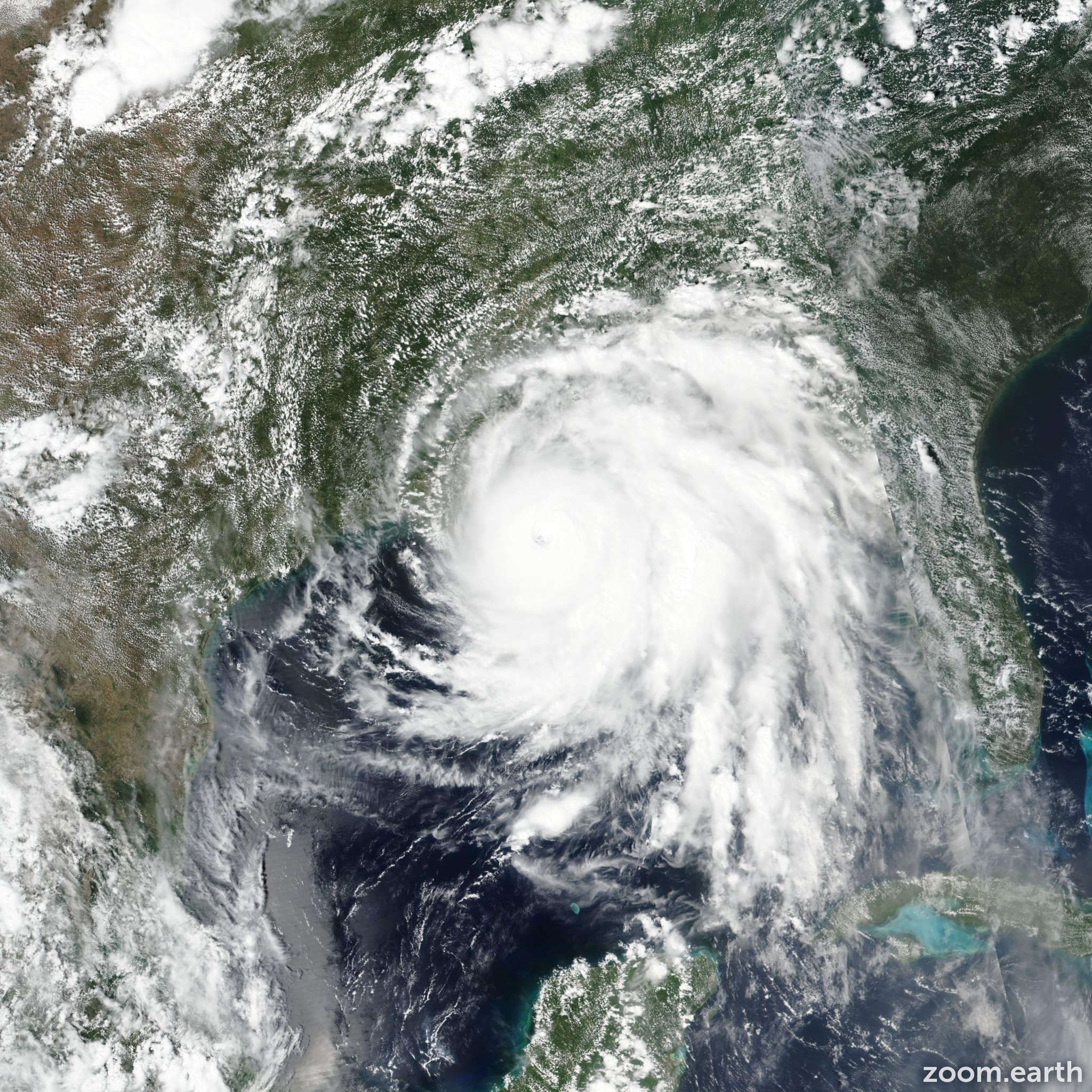
Prediction markets are currently pricing a one-in-three chance that a Category 4 hurricane will strike the conterminous United States before December 31, 2026. The 35% probability has remained steady over the past day, with $326,300 in trading volume, suggesting a consensus view among market participants on the likelihood of this specific weather event. The question constrains itself to the highest major hurricane category below Category 5, requiring maximum sustained winds of 130-156 mph at the moment of coastal landfall.
WHY IT MATTERS
Category 4 hurricanes represent a significant threshold in hurricane risk assessment. These storms cause catastrophic damage to structures and infrastructure, making the probability of landfall material for insurance markets, disaster preparedness planning, and long-term risk modeling. The three-year window (through 2026) covers two full Atlantic hurricane seasons, providing meaningful exposure to natural variability in storm formation and track patterns. Unlike predictions of any hurricane or tropical storm landfall, this market focuses on a specific intensity tier, offering insight into how market participants weight the probability of particularly severe events.
KEY FACTORS
Historical frequency data supports the market's moderate probability assessment. Category 4 hurricanes making US landfall occur irregularly—roughly one every few years on average, though with significant variability. The 2024 and 2025 Atlantic hurricane seasons will be primary drivers of this outcome, as each season can produce multiple storms capable of reaching major hurricane intensity. Sea surface temperatures, the Atlantic Multidecadal Oscillation, and other climate factors influence seasonal activity, but predicting individual storm intensity at the time of landfall remains inherently uncertain. Market participants appear to be pricing in a roughly one-in-three likelihood based on climatological baselines, accounting for both the natural variability of hurricane seasons and the specific requirement that a qualifying storm must maintain Category 4 strength at the precise moment of landfall—a constraint that excludes many storms that weaken during approach.
OUTLOOK
The market probability could shift based on seasonal hurricane forecasts issued by NOAA and other meteorological agencies, which have influenced similar markets in the past. As the 2024 Atlantic hurricane season progresses and real-time storm activity accumulates, market pricing may adjust to reflect observed trends. A particularly active season with multiple major hurricanes could push probabilities higher, while a quiet season might compress them lower. Any qualifying landfall would resolve the market to \"Yes,\" making late-season storms in 2026 the final window for resolution. The steady probability suggests market participants currently view the likelihood as neither unusually high nor unusually low relative to historical experience.