Market Overview
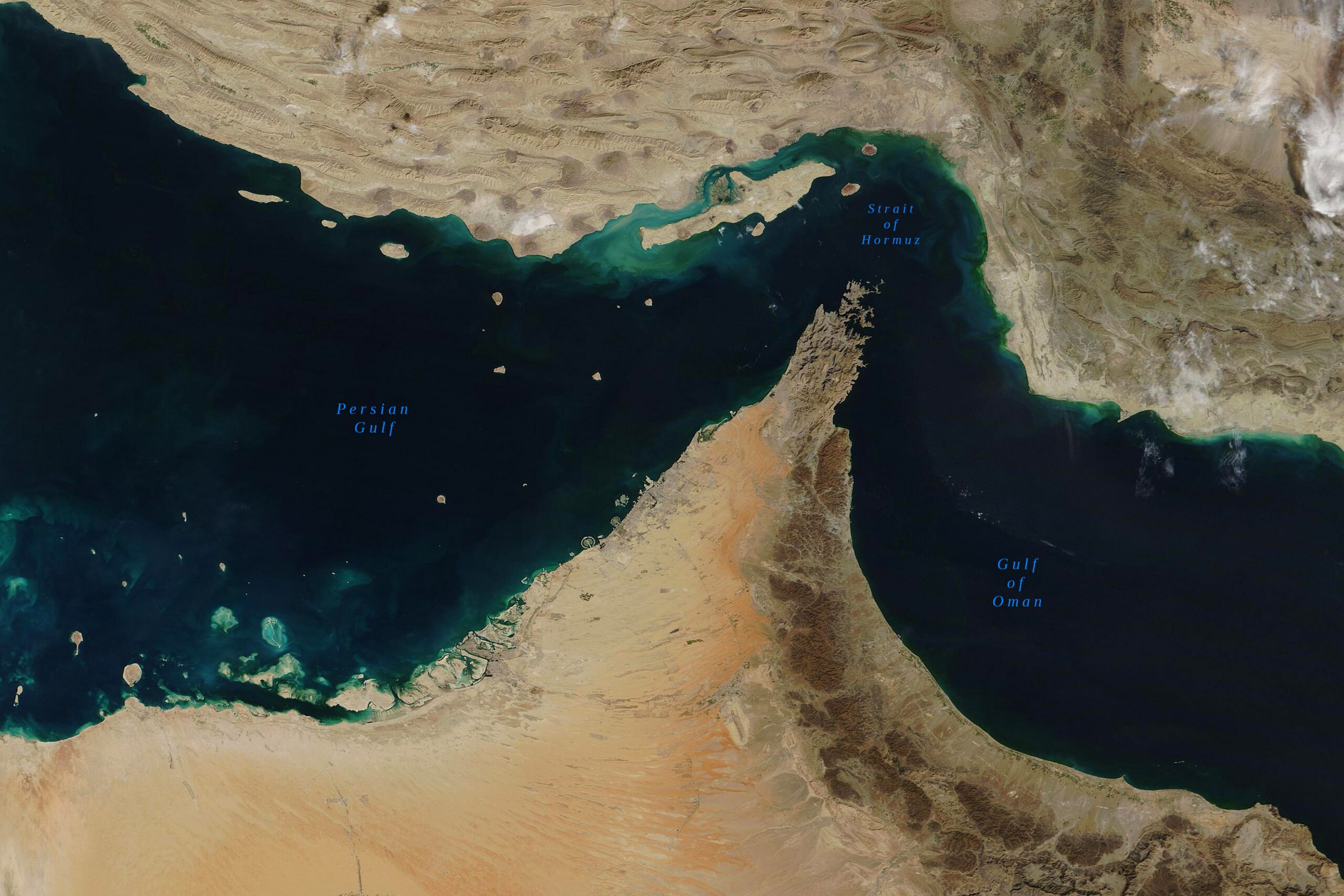
Prediction market participants are assessing whether the strategically vital Strait of Hormuz will see a return to normal shipping traffic by the end of June 2026. The market sets a specific threshold: a 7-day moving average of transit calls reaching 60 or above as measured by IMF Portwatch data. At 45.5% probability, the market reflects meaningful uncertainty about whether regional conditions will stabilize sufficiently to restore baseline traffic volumes within the specified timeframe. Trading volume of $1.5 million indicates active investor engagement with the question.
Why It Matters
The Strait of Hormuz serves as one of the world's most critical chokepoints for energy and trade flows, with roughly one-fifth of global petroleum passing through its waters. Disruptions to normal traffic patterns—whether from military tensions, sanctions enforcement, or shipping route avoidance—carry immediate ripple effects across global energy markets and supply chains. Understanding the realistic probability of normalized traffic by mid-2026 provides insight into market expectations for Persian Gulf stability over the coming year and a half.
Key Factors
Multiple variables will determine whether transit calls reach the 60-threshold by June 2026. Regional geopolitical tensions, particularly between Iran and its adversaries, remain the primary driver; escalations could deter shipping or trigger physical disruptions, while de-escalation could encourage route normalization. Sanctions regimes and their enforcement also influence shipping decisions, as vessel operators factor in compliance risks and insurance costs. Additionally, the baseline definition of \"normal\" traffic matters—if pre-disruption transit volumes were materially higher than 60 calls per 7-day period, the market implicitly reflects skepticism about full recovery. Economic factors including global trade velocity and oil demand will also influence shipping traffic independent of regional security considerations.
Outlook
The market's positioning at below 50% suggests traders currently view a return to normal as less likely than not over the 18-month window, though the gap is narrow enough to reflect genuine two-sided uncertainty. Key triggers that could shift probability upward include diplomatic breakthroughs, sanctions relief announcements, or demonstrable periods of sustained calm in the region. Conversely, any new incidents affecting shipping or renewed tensions would likely weaken recovery probability. The extended timeline to June 2026 provides multiple opportunities for conditions to shift, and continued monitoring of IMF Portwatch data and regional developments will be essential for assessing whether market pricing accurately reflects the underlying risks.