Market Overview
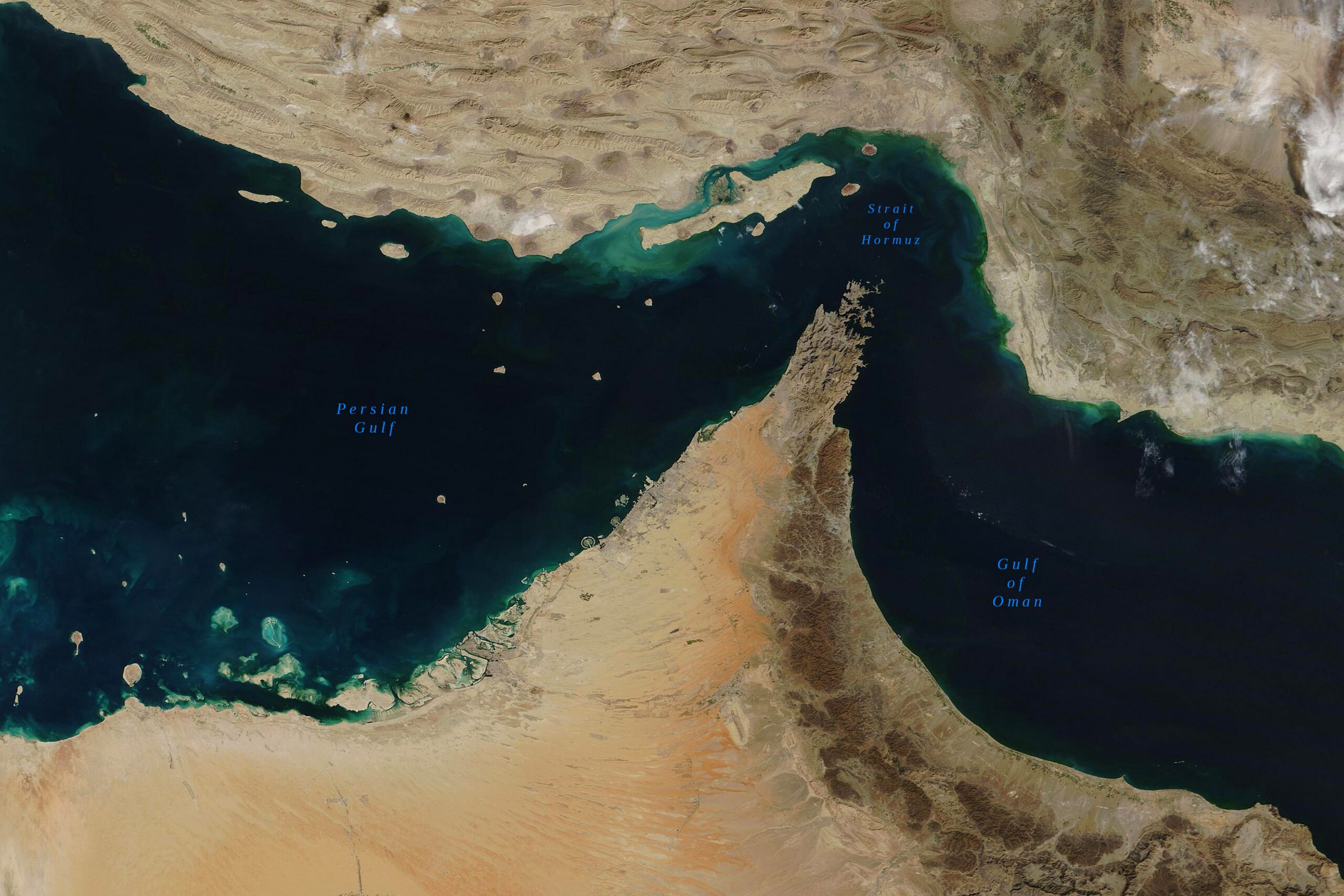
The Strait of Hormuz prediction market is pricing in near-even odds that traffic through the strategic waterway will normalize within the next 18 months. With a current probability of 45.5% and substantial trading volume exceeding $1.5 million, the market indicates genuine uncertainty about when—and whether—daily transit calls will stabilize at or above 60 vessels on a rolling 7-day average. The metric itself is significant: it represents a baseline assessment of normal operational capacity for one of the world's most economically important maritime passages, through which roughly one-fifth of globally traded oil transits annually.
Why It Matters
The Strait of Hormuz's operational status carries outsized geopolitical and economic consequences. Disruptions to traffic flow through the passage affect global energy prices, supply chain logistics, and shipping insurance costs across multiple sectors. The 60-vessel threshold used in this market serves as a meaningful indicator of sustained normalization rather than temporary spikes. A return to this level would signal that whatever pressures or disruptions currently constrain transit—whether security concerns, regional instability, infrastructure constraints, or other factors—have been sufficiently resolved to allow consistent, normal-capacity operations.
Key Factors
Several dynamics inform the current 45.5% probability assessment. Regional security tensions, including periodic incidents in the Strait, have historically created volatility in transit patterns. The market must weigh the likelihood of sustained deescalation and confidence restoration among shipping operators and insurers. Infrastructure and port capacity constraints can independently limit throughput regardless of security conditions. Additionally, broader macroeconomic factors affecting global trade volumes and energy demand will influence whether shipping companies and tanker operators maintain high traffic levels even if operational barriers are cleared. The two-year timeframe provides considerable room for geopolitical or economic shifts, yet the probability sitting below 50% suggests market participants assess recovery as more difficult or uncertain than straightforward normalization.
Outlook
The market's equilibrium at 45.5% reflects a genuine two-way debate. Resolution will depend on IMF Portwatch data confirming a 7-day moving average at or above 60 transits at any point through June 2026. Key developments that could shift odds include marked improvements in regional security assessments, significant policy announcements affecting maritime passage, changes in global energy demand patterns, or physical damage assessments and repairs to key infrastructure. Conversely, escalation of regional tensions or economic contraction that reduces shipping demand could push probabilities lower. The stability of odds at 45.5% across the tracked period suggests the market has absorbed available information and is awaiting concrete evidence of directional change rather than reacting to incremental updates.