Market Overview
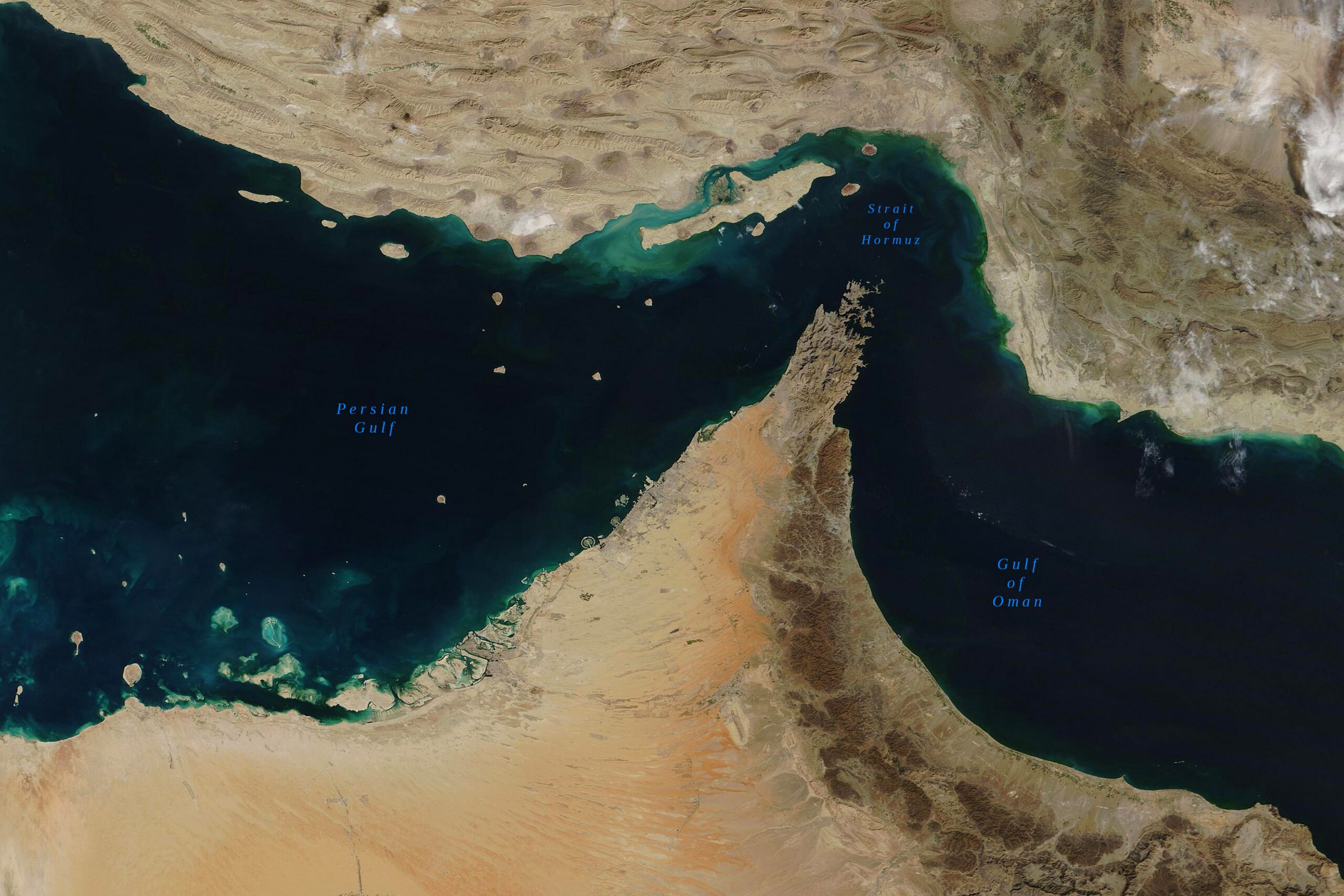
The Strait of Hormuz prediction market is currently priced at 45.5% probability of recovery to normal traffic levels within the specified timeframe. This reflects a market assessment that such recovery is slightly more likely to fail than succeed over the next 18 months. The resolution criteria is specific: IMF Portwatch data must show a 7-day moving average of transit calls of 60 or above at any point between now and June 30, 2026. The high trading volume of $1.5 million indicates substantial interest in this outcome, suggesting participants view the question as consequential for global energy markets and international trade.
Why It Matters
The Strait of Hormuz serves as a critical transit route for approximately one-third of the world's seaborne oil trade and a significant portion of global liquefied natural gas shipments. Disruptions to shipping flows through the strait have immediate consequences for energy prices, supply chains, and global economic growth. Understanding the probability of traffic normalization is therefore important for investors, energy markets, and policymakers monitoring regional stability. The baseline metric of 60 daily transit calls represents a threshold judgment by market creators about what constitutes \"normal\" operations—a figure that presumably reflects historical average traffic volumes.
Key Factors
Several elements likely drive the current 45.5% assessment. Regional geopolitical tensions, including recent incidents involving ship seizures and attacks attributed to Houthi forces and other actors, have created persistent uncertainty about shipping security in the strait. The relatively balanced odds suggest market participants believe the probability of continued disruptions or slower recovery roughly matches the probability of normalization. The 18-month timeframe provides a substantial window, yet the odds remain cautious rather than optimistic, implying skepticism about a swift return to pre-disruption traffic levels. Historical precedent matters here: previous disruptions to Hormuz traffic have sometimes extended longer than initially expected, reflecting the entrenched nature of regional disputes.
Outlook
Developments most likely to shift these odds in either direction would include diplomatic breakthroughs or escalations affecting regional stability, formal shipping corridor security agreements, or changes in broader geopolitical alignments affecting major naval powers' presence in the Gulf. Conversely, the market could move toward higher probability if current tensions persist without triggering new acute disruptions, allowing shipping operators to gradually increase transit confidence. The relatively flat probability over the past 24 hours suggests the market has already incorporated known information and is waiting for new signals. Traders monitoring this market should watch IMF Portwatch data releases closely, as the 7-day moving average is the sole arbiter of resolution, making actual shipping volume trends the ultimate driver of market movement.