Market Overview
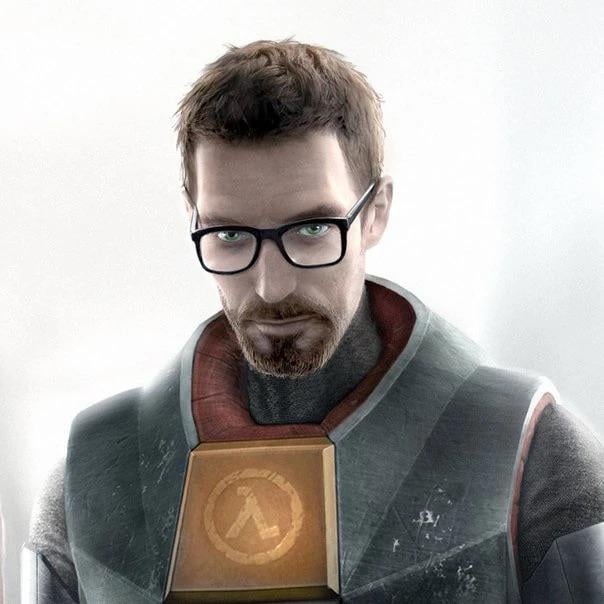
Traders are currently assigning a 31.5% probability to a Half-Life 3 announcement before 2027, with stable pricing over the past 24 hours despite $109,000 in trading volume. The market requires an explicit, public announcement from Valve that the game is in production, with \"Half-Life 3\" appearing in the official title—a notably high bar that excludes spin-offs, remakes, or expansions in the franchise even if they are major releases. This specificity reflects the market's attempt to capture genuine progress toward a mainline sequel rather than related projects.
Why It Matters
Half-Life 3 represents one of gaming's most famous missing sequels, with nearly two decades having passed since Half-Life 2's 2004 release. For a substantial segment of gamers and industry observers, news of the game's production would signal a major shift in Valve's strategic priorities and could reshape expectations for the company's future direction. The announcement would likely generate significant media attention and have spillover effects on broader gaming industry sentiment. Conversely, a missed deadline would further entrench the perception that Valve has moved beyond traditional single-player, story-driven releases in favor of digital platforms (Steam) and multiplayer titles (Counter-Strike, Dota 2).
Key Factors
Válve's corporate structure and development philosophy work against near-term announcements. The company famously operates without traditional hierarchical management, allowing employees to self-direct projects. Half-Life 3 has become a cultural joke partly because Valve has never publicly committed to developing it, despite persistent industry rumors and community pressure. The studio's recent focus—including the successful 2020 release of Half-Life: Alyx as a VR prequel—has been interpreted both as a sign of ongoing franchise interest and as a substitute for a mainline sequel. Additionally, Valve's track record suggests the company prefers to announce games closer to release rather than years in advance, which compresses the remaining window for a 2026 announcement to less than two years. The 31.5% probability implies traders see meaningful uncertainty, but the odds still suggest skepticism that Valve will break its decades-long silence on the sequel specifically.