Market Overview
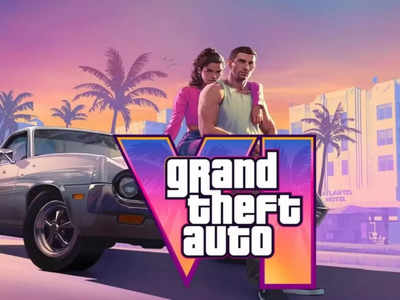
Prediction markets are currently pricing the probability of a second Grand Theft Auto VI delay at 26.5%, indicating modest but notable skepticism about Rockstar Games' ability to meet its November 19, 2026 release target. This represents a slight uptick from 25.5% one day prior, suggesting marginal deterioration in confidence. The market has accumulated $242,620 in traded volume, reflecting genuine engagement from participants assessing the likelihood of further postponement.
Why It Matters
GTA VI represents one of the most anticipated entertainment releases in recent years, with massive financial implications for Take-Two Interactive and the broader gaming industry. The November 2026 date already reflects a six-month delay from the originally planned May 2026 launch announced in September 2023. A second postponement would signal either substantial development challenges, quality concerns, or unexpected technical obstacles—any of which would carry significant consequences for investor confidence, consumer expectations, and the company's fiscal planning.
Key Factors
Several factors likely drive the 26.5% delay probability. The recent May-to-November slip suggests development timelines have proven optimistic, establishing a precedent for missed dates. Game development complexity, particularly for a project of GTA VI's scale and technical ambition, introduces inherent execution risk. Additionally, the gaming industry has experienced several high-profile delays in recent years—from Cyberpunk 2077 to Starfield—creating market awareness that announced dates can slip even after official confirmation. Conversely, the six-month buffer Rockstar has already claimed may provide adequate cushion to absorb remaining challenges, supporting the 73.5% probability assigned to on-time delivery.
Outlook
The current pricing reflects genuine uncertainty rather than acute panic about delay prospects. Developers' statements, gameplay reveal schedules, and any supply chain or technical announcements in the coming months could shift probability meaningfully. A successful gameplay demonstration or industry updates suggesting development is tracking toward completion could lower delay odds further. Conversely, any hints of trouble from company leadership, missed interim milestones, or delayed marketing events could push delay probability higher. The market will likely remain responsive to official communications from Take-Two and Rockstar as November 2026 approaches.