Market Overview
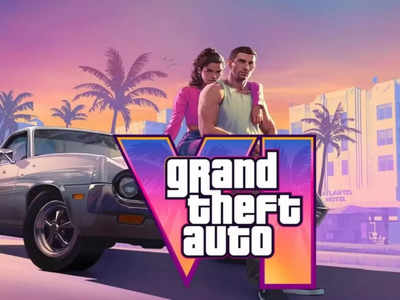
Prediction markets currently price the probability of a second Grand Theft Auto VI delay at 21.5%, with modest trading volume of $251,453 suggesting moderate participant interest in the outcome. This represents a significant but minority view that Rockstar Games will fail to meet its rescheduled November 19, 2026 launch date. The company previously pushed the release back from May 26, 2026, announcing the delay in early November 2025. The current odds imply roughly a four-to-one confidence that Rockstar will deliver on its revised timeline, though one-fifth of the market's capital is hedging against another postponement.
Why It Matters
Grand Theft Auto VI represents one of the entertainment industry's most anticipated releases, with implications extending across consumer spending, gaming sector valuations, and Take-Two Interactive's financial performance. Any further delay could impact the company's fiscal guidance and investor confidence, while also affecting the console gaming cycle and competitive positioning relative to other major 2026 releases. The previous postponement from May to November already cost the industry an estimated $2 billion in lost spending during 2026's first half, making another slip economically meaningful. For players, the delay represents an extended wait for one of gaming's marquee franchises.
Key Factors
The 21.5% risk premium reflects several underlying concerns. First, the precedent of one delay raises questions about development stability; if Rockstar encountered issues requiring a six-month extension, additional problems could emerge. Second, game development historically exhibits volatility in final phases, particularly for titles of this scale and complexity. Third, external factors—supply chain disruptions, regulatory approvals in certain markets, or technical challenges with new hardware—remain possible. Conversely, the 78.5% probability for on-time delivery reflects Rockstar's track record of eventually delivering, the company's explicit November commitment, and the nine-month runway remaining from the previous announcement to the new deadline. Each month of confirmed development progress without new warnings would logically reduce delay risk.
Outlook
The market's probability could shift based on several developments. Positive signals—such as gameplay footage releases, regulatory approvals, or confident guidance from Take-Two management—would likely compress the delay premium. Conversely, any indication of production setbacks, key personnel departures, or vague language from company leadership could elevate risk pricing. The lead-up to major gaming industry events like E3 or Gamescom in 2026 will provide critical information opportunities. As the November 19 date approaches, the absence of delay announcements should progressively reduce the uncertainty premium. Market participants are essentially betting on whether the visible development pace and company messaging justify confidence in a schedule that has already shifted once.