Market Overview
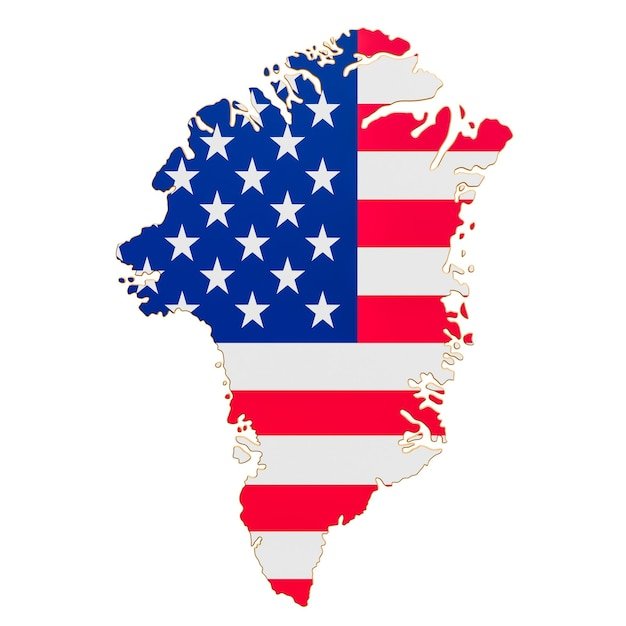
Prediction markets are currently pricing the probability of the United States acquiring control of any portion of Greenland by December 31, 2026, at 14%. With roughly $9.7 million in volume, this represents a substantive market with active participation, though the flat price action over the past 24 hours indicates stability rather than momentum. The 14% figure implies roughly a one-in-seven chance of a binding agreement or legal instrument transferring sovereignty or exclusive U.S. jurisdiction over defined Greenlandic territory within two years.
Why It Matters
The question carries significance beyond speculative interest, reflecting genuine diplomatic interest from the Trump administration in acquiring Greenlandic territory. Such an acquisition would represent a historic territorial expansion for the United States and a fundamental shift in Arctic geopolitics. The detailed resolution criteria—requiring binding agreements, sovereignty transfers, or exclusive jurisdiction arrangements, while explicitly excluding non-binding statements, negotiations, and conventional military or basing agreements—create a high bar for resolution. This specificity matters because it excludes mere announcements or preliminary frameworks, focusing instead on legal instruments with teeth.
Key Factors
Several dynamics appear to be informing the 14% assessment. First, political feasibility is constrained: Greenland's government has repeatedly rejected acquisition proposals, and Denmark, as the sovereign power, has shown no willingness to cede territory. Danish public opinion and NATO alliance considerations create structural resistance to any such arrangement. Second, the two-year timeframe is compressed for negotiating, ratifying, and implementing a binding agreement of this magnitude—most significant territorial arrangements involve multi-year diplomatic and legal processes. Third, while administration interest in Arctic resources and strategic positioning is genuine, translating rhetoric into a binding legal instrument faces substantial institutional and international hurdles. Greenland's growing autonomy and self-determination movements further complicate any pathway to U.S. control.
Outlook
The 14% probability reflects a consensus that while formal negotiations remain theoretically possible, the probability of a binding agreement by end-2026 is substantially constrained. Market movement would likely require concrete signals: initiating formal bilateral talks between Washington and Copenhagen, Greenlandic political shifts toward openness to U.S. arrangements, or legislative action in the United States or Denmark signaling serious intent. The stability of the current price suggests traders view the current political environment as unlikely to produce the formal legal instruments required for resolution within the timeframe, even as they assign non-trivial odds to unexpected diplomatic developments.


