Market Overview
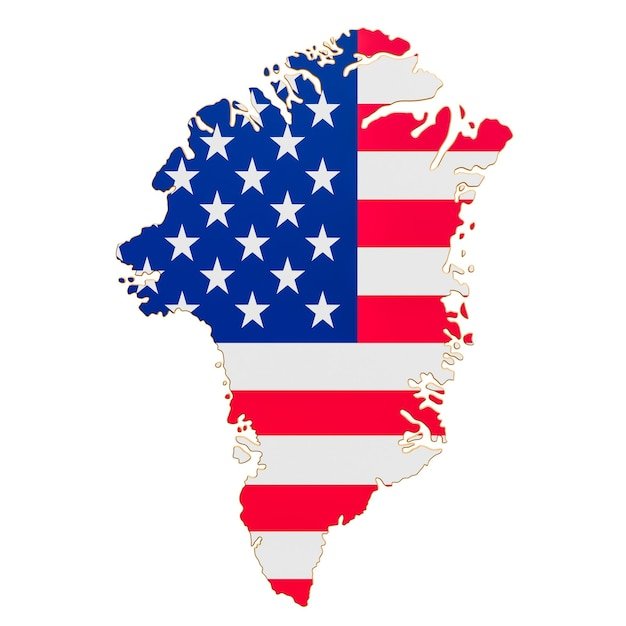
Prediction markets are currently pricing the likelihood of U.S. acquisition of Greenlandic territory by December 31, 2026, at 14%. This probability level reflects a market consensus that formal transfer of sovereignty or exclusive U.S. jurisdiction over any portion of Greenland remains unlikely within the specified timeframe, yet not remote enough to dismiss entirely. The market has maintained this level over at least the past 24 hours, suggesting stable pricing absent recent catalysts, with substantial trading volume of approximately $9.7 million indicating active participation and genuine uncertainty among traders.
Why It Matters
This market captures one of the most unconventional geopolitical scenarios in contemporary U.S. foreign policy—the potential acquisition of territory from a NATO ally and close democratic partner. Greenland holds strategic significance for Arctic security, climate change implications, and resource access. The specificity of the market's resolution criteria—requiring binding legal instruments establishing sovereignty transfer or exclusive U.S. jurisdiction, while explicitly excluding non-binding negotiations, base agreements, and leases—sets a high bar for resolution. This definitional precision is critical because it clarifies that mere diplomatic overtures or access arrangements, however provocative, would not settle the market affirmatively.
Key Factors
The 14% probability reflects several counterbalancing considerations. Supporting a higher probability are persistent U.S. strategic interest in Arctic dominance, Greenland's geopolitical importance, the precedent of previous U.S. territorial acquisitions, and the possibility of extraordinary diplomatic circumstances. However, substantial factors weigh toward the lower end: Denmark and Greenland's firm rejection of acquisition proposals, the political costs of pursuing such a transfer against allied opposition, the absence of any credible negotiating framework, and the short 24-month timeline. The resolution criteria require formal, binding legal instruments—a threshold that distinguishes serious territorial transfer from rhetorical positioning. Any qualifying event would necessitate either unprecedented political realignment or coercive action, both of which current market pricing suggests traders view as decidedly unlikely.
Outlook
The market's stability at 14% suggests traders are pricing in tail-risk scenarios without treating acquisition as a probable outcome. Movement in this market would likely require either concrete diplomatic developments signaling genuine negotiation toward territorial transfer, or major geopolitical upheaval altering strategic calculus for all parties involved. Absent binding agreement announcements or dramatic international developments, the probability may remain anchored in its current range through 2026. Traders should monitor official statements from U.S., Danish, and Greenlandic governments for any indication of formal territorial discussions, as the market's high specificity means ambiguous developments are unlikely to move prices substantially.