Market Overview
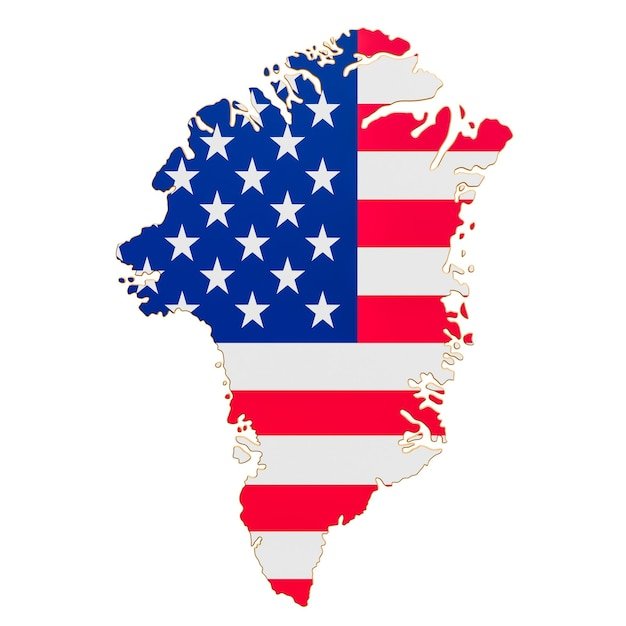
Prediction market participants are assigning a 14% probability to the United States acquiring sovereignty or primary control over any portion of Greenland by December 31, 2026. The market, which has traded approximately $9.7 million in volume, has remained stable at this level over the past 24 hours, indicating a lack of new catalysts or major shifts in trader sentiment. The probability reflects a substantial skepticism about the prospect, positioning it as an unlikely but non-negligible scenario.
Why It Matters
The market is pricing a geopolitically significant outcome. Formal US acquisition of Greenlandic territory would represent a major shift in Arctic geopolitics and transatlantic relations, requiring either a binding treaty, legislation transferring sovereignty, or an agreement granting the US primary or exclusive jurisdiction over defined territory. The market's 14% level suggests traders believe the political and diplomatic barriers to such an acquisition remain substantial, despite recent public statements from US officials expressing interest in the prospect. Resolution criteria explicitly exclude non-binding statements, leases, basing agreements, or standard access arrangements—requiring instead formal instruments that fundamentally alter governance structures.
Key Factors
The 14% probability reflects several competing considerations. On one hand, formal Danish and Greenlandic opposition to sovereignty transfer presents a formidable obstacle; neither Copenhagen nor Nuuk has signaled willingness to cede territory. Greenland's move toward independence from Denmark is gradual and self-determined, reducing incentive to swap one sovereignty for another. The timeframe—roughly 24 months from market creation—is relatively compressed for executing such a consequential geopolitical shift, which typically requires extended diplomatic negotiation and domestic political consensus in all parties. Conversely, the market assigns non-trivial probability to scenarios involving either shifting political calculations, unforeseen strategic developments, or the pursuit of explicit jurisdictional arrangements (such as a Guantánamo-style zone) that might sidestep traditional sovereignty transfer. The resolution criteria's inclusion of force as a qualifying mechanism, while highly improbable, may add marginal probability to the overall odds.
Outlook
Trader expectations hinge on several potential developments that could shift the 14% baseline. A significant change in Greenlandic or Danish political leadership favoring closer US alignment, major shifts in Arctic geopolitical competition, or explicit US-Greenland negotiations regarding jurisdictional arrangements could increase odds. Conversely, clear public statements from Danish or Greenlandic officials firmly rejecting such arrangements, or the expiration of the 2026 deadline with no binding agreement in place, would likely drive the probability lower. The market's stability suggests current pricing reflects a baseline view of diplomatic barriers as largely insurmountable on this timeline, with modest upside potential if circumstances shift materially.