Market Overview
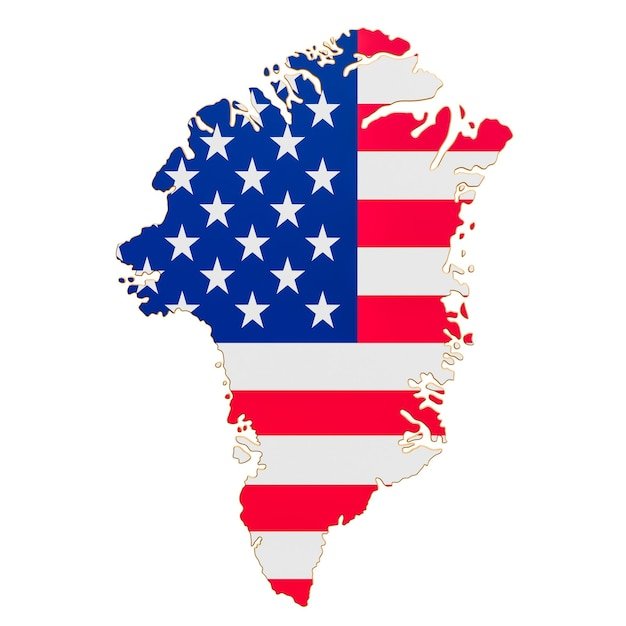
Prediction market traders are currently assigning a 14% probability to the United States acquiring control of any land territory in Greenland by December 31, 2026. The market, which has attracted nearly $9.7 million in volume, requires either a transfer of sovereignty, primary jurisdiction, or exclusive control through a binding legal instrument—not merely non-binding statements or leasing arrangements. The probability has remained stable over the past 24 hours, suggesting the market has reached a temporary equilibrium in pricing the tail risk of such an acquisition.
Why It Matters
The question touches on a geopolitical scenario that has moved from fringe speculation to mainstream policy discussion. The strategic value of Greenland—positioning, natural resources, Arctic dominance, and climate-driven accessibility—makes it relevant to major power competition. However, the legal and diplomatic barriers are formidable. Greenland is an autonomous territory within the Kingdom of Denmark with its own government and increasing self-determination aspirations. Any transfer of sovereignty or jurisdiction would require consent from both the Danish government and Greenland's Home Rule or Self-Government authorities, or extraordinary circumstances involving military force. The 14% odds reflect traders' assessment that while a formal acquisition remains unlikely within 24 months, it is not dismissible.
Key Factors Driving the Probability
Several factors appear to be holding the probability in this range. Recent public statements by US officials expressing interest in Greenland have kept the possibility on traders' radar, preventing the probability from collapsing to near-zero. However, the lack of any concrete diplomatic progress—such as binding negotiations, legislative proposals, or formal treaty discussions—constrains belief in imminent action. Denmark and Greenland have consistently reaffirmed that the territory is not for sale, and Greenland's government has positioned independence from Denmark as its long-term goal, not transfer to another power. The compressed timeframe of roughly 24 months also works against resolution, as major territorial transfers typically require years of negotiation and institutional process. The distinction in the market's resolution criteria between non-binding statements and binding legal instruments is critical; mere announcements or frameworks do not qualify, creating a high bar for resolution.
Outlook
For the probability to rise materially, traders would likely require evidence of substantive bilateral negotiations, legislative action, or formal treaty discussions involving binding commitments. Conversely, explicit rejections from either Denmark or Greenland's government, or the passage of significant time without diplomatic movement, could push odds lower. The current 14% level appears to reflect a baseline assessment that while geopolitical circumstances occasionally produce surprising outcomes, the combination of strong institutional resistance, international law, and the compressed timeline makes acquisition highly improbable but not impossible. Traders should monitor official government statements, any legislative initiatives, and shifts in US foreign policy posture toward the Arctic and Nordic regions for signals that would move the needle on this low-probability event.