Market Overview
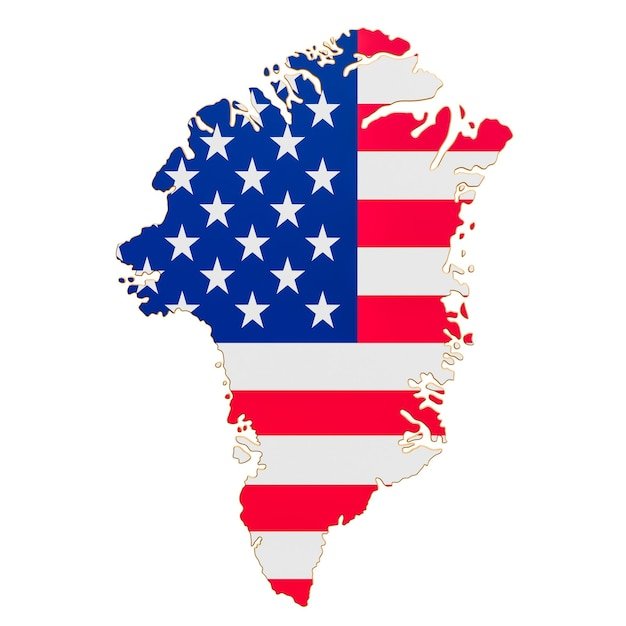
Prediction market investors are currently assigning a 14.5% probability to the United States acquiring sovereign or primary control over any portion of Greenland by December 31, 2026. The market has maintained this probability level over the past 24 hours despite generating substantial trading volume of nearly $9.7 million, suggesting a relatively stable consensus among traders on the outcome's likelihood. The market's resolution criteria are deliberately specific, requiring either a binding agreement transferring sovereignty, establishing exclusive U.S. jurisdiction over a defined territory, or forcible acquisition—rather than provisional arrangements like leases or base agreements.
Why It Matters
Greenland holds significant geopolitical value as Arctic ice melt accelerates shipping routes and resource extraction opportunities, making territorial control strategically important to the United States. The market reflects renewed attention to historical and recent political statements regarding U.S. interest in Greenland's acquisition, which resurged prominently in late 2024. However, the sub-15% odds indicate traders broadly view an actual territorial transfer as highly unlikely within the compressed 24-month timeframe, particularly given the constitutional and diplomatic obstacles involved. Any successful acquisition would represent a dramatic shift in Arctic geopolitics with implications for NATO alliance dynamics and Danish sovereignty.
Key Factors
Several structural impediments constrain the probability's upside. Greenland is an autonomous territory of Denmark with significant self-governance, and any transfer would require consent from both Danish and Greenlandic authorities—neither of which has shown willingness to cede territory. The U.S. Congress would need to ratify a treaty, a process that typically requires supermajority support and faces constitutional questions about territorial expansion. The market's stringent definitional requirements—binding legal instruments rather than political proposals or frameworks—effectively exclude non-binding negotiations or announcements, raising the bar substantially beyond mere diplomatic posturing. Historical precedent suggests major territorial transfers require years of negotiation and occur under exceptional circumstances such as war or major power transitions, neither of which currently applies.
Outlook
For the probability to move materially higher, traders would likely require concrete signs of formal negotiations between the U.S., Danish, and Greenlandic governments, or legislative action in Congress advancing a specific territorial proposal. Movement downward could occur if political figures publicly disavow acquisition plans or if Greenlandic independence movements gain momentum in ways that reinforce territorial integrity. The market's stability over recent periods suggests traders view the current probability as appropriately calibrated to reflect political interest constrained by practical realities. Unless significant diplomatic developments materialize in the coming months, the odds are likely to remain in the low-probability range characteristic of low-probability geopolitical events.