Market Overview
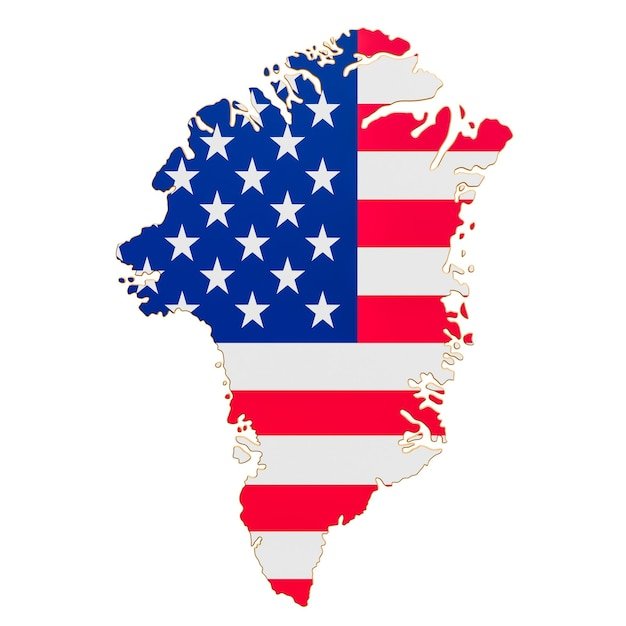
Prediction market participants are currently assessing a 14% probability that the United States will acquire control of any portion of Greenland's territory by December 31, 2026. The market has generated nearly $9.7 million in trading volume and shows stable odds, with no significant movement over the past 24 hours. The resolution criteria are exacting: only a binding legal instrument establishing sovereignty transfer, primary jurisdiction, or exclusive control—or acquisition through force—will trigger a \"Yes\" outcome. Announcements, negotiations, frameworks, and non-binding agreements explicitly do not qualify.
Why It Matters
The Greenland acquisition question has become a recurring element of US geopolitical discourse, particularly given strategic interest in Arctic resources, positioning, and climate-driven accessibility. While formal territorial acquisition would represent an extraordinary shift in US-Denmark relations and international norms, the market's 14% valuation suggests traders view the scenario as a genuine (if remote) possibility worth pricing. The specificity of the resolution criteria—requiring binding legal instruments rather than mere announcements—creates a high bar that filters out headline-grabbing statements or exploratory discussions.
Key Factors
Several elements appear to underpin the current 14% assessment. First, the technical feasibility of any binding agreement faces enormous diplomatic and political obstacles; Denmark and Greenland's governments have consistently rejected acquisition scenarios, and US domestic support for territorial expansion remains limited. Second, the market window is relatively compressed—a mere two years for a transfer of sovereignty or primary jurisdiction, processes that typically require extensive negotiation, legislative action in both countries, and democratic buy-in. Third, the resolution criteria's exclusion of lease arrangements, base access agreements, and other non-sovereign arrangements means that interim compromises on Arctic military or resource access would not satisfy the market. Finally, international legal norms and precedent strongly disfavor sovereignty transfers in the modern era, creating diplomatic friction that would complicate negotiations.
Outlook
For the probability to shift materially upward, traders would likely need to observe concrete movement toward binding legislation or formal diplomatic negotiations with substantive progress—not mere statements of interest or exploratory discussions. Conversely, official rejection of acquisition by US or Danish authorities, public statements from Greenlandic leadership opposing sovereignty transfer, or demonstrated focus on alternative Arctic cooperation frameworks could lower odds further. The 14% probability appears to reflect a market consensus that acquisition remains possible but unlikely within the timeframe, with traders accounting for the low-probability tail risk of unexpected diplomatic breakthroughs or geopolitical shifts. Developments in Arctic resource competition, climate-driven strategic reassessment, or shifts in US-Denmark relations would be key variables to monitor.