Market Overview
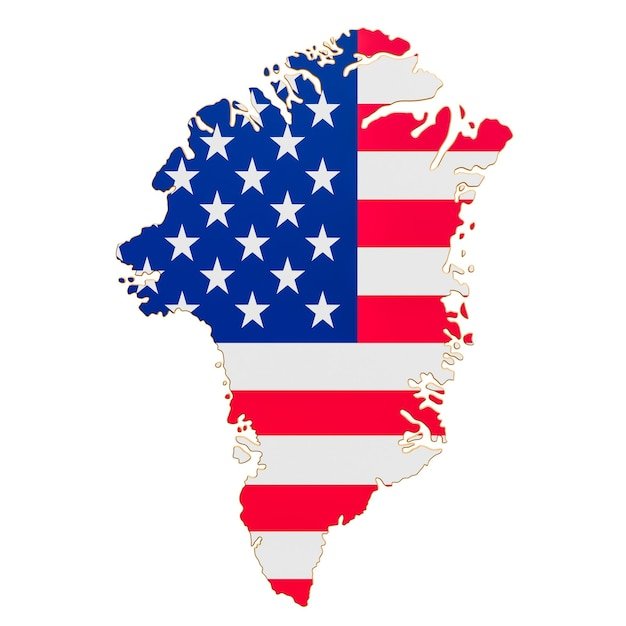
A prediction market focused on potential US acquisition of Greenlandic territory is currently priced at 13.5%, implying roughly a 1-in-7 chance of a qualifying territorial transfer or control arrangement by December 31, 2026. The market has traded approximately $9.7 million in volume, with probability hovering near 14% over the past day. The resolution criteria are notably stringent: any qualifying outcome requires a binding legal instrument—such as enacted legislation, a signed treaty, or executive action—that establishes either formal sovereignty transfer or exclusive US jurisdiction over a defined area. Non-binding statements, framework agreements, memoranda of understanding, and mere access or basing rights explicitly do not qualify.
Why It Matters
Greenland holds strategic significance for US Arctic interests, including navigation routes, resource access, and geopolitical positioning relative to Russia and China. The territory's location and resources have periodically attracted US policy attention, most notably in recent years. However, Greenland is an autonomous territory within the Kingdom of Denmark, and any territorial transfer would require formal agreement from both Danish and Greenlandic authorities—a complex diplomatic arrangement with substantial political obstacles. The market's relatively modest probability reflects the substantial legal and diplomatic barriers required for resolution, even as renewed strategic interest in the Arctic makes the question non-frivolous.
Key Factors
Several elements inform the current 13.5% probability. First, there is no active public negotiation or diplomatic proposal for territorial cession as of the market's current state. Second, both Denmark and Greenland have historically resisted external pressure on sovereignty questions, and any formal transfer would require legislative or treaty action in multiple jurisdictions. Third, the 2026 deadline is relatively near-term—roughly 12 months away—leaving limited time for such a major geopolitical transaction to move from proposal through binding agreement. Fourth, the resolution criteria explicitly exclude arrangements short of sovereignty or exclusive jurisdiction, ruling out outcomes such as expanded military basing rights, exclusive resource concessions, or administrative zones that fall short of the defined threshold. The market appears to be pricing in a tail-risk scenario in which major diplomatic shifts or security developments could prompt accelerated negotiations, but acknowledges the procedural and political complexity involved.
Outlook
Movement in this market will likely depend on developments in US Arctic strategy, Denmark-US relations, and any explicit proposals or negotiations regarding Greenlandic territory. A binding agreement or legislative initiative from any of the three relevant governments—the US, Denmark, or Greenland itself—would be necessary to shift probabilities substantially. Absent such concrete developments, the market will likely remain anchored to low single-digit or low double-digit odds, reflecting the high bar for qualifying transactions and the lack of immediate momentum toward such arrangements. Traders should monitor official statements from these governments, parliamentary activity, and shifts in geopolitical positioning around Arctic resources and security.