Market Overview
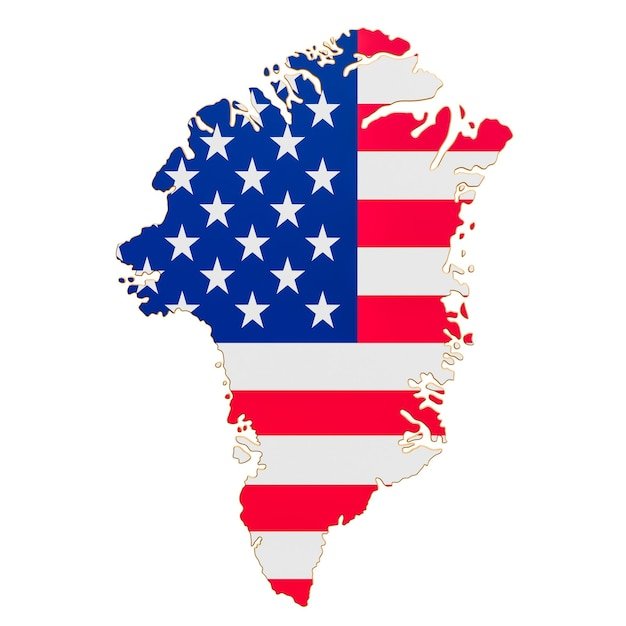
Prediction market traders are currently assigning a 14% probability to the United States acquiring some portion of Greenland's territory by the end of 2026, based on $9.7 million in trading volume. The market has remained stable at this level over the past day, indicating that the current odds reflect a settled equilibrium rather than reactive sentiment to breaking news. The 14% figure is notably higher than conventional political analysis would suggest, indicating that a meaningful subset of traders view the acquisition as a legitimate, if low-probability, possibility within the specified timeframe.
Why It Matters
Greenland's strategic position in the Arctic, combined with its vast natural resources and proximity to North America, has made it an object of periodic U.S. interest. The market's existence and valuation reflect real policy discussions that have surfaced in recent months, particularly regarding Arctic geopolitics and resource competition with China and Russia. However, the resolution criteria are deliberately stringent: the market requires a binding agreement establishing sovereignty transfer or exclusive U.S. jurisdiction and control—not merely military basing rights, resource agreements, or political negotiations. This high bar explains why the probability, while notable, remains relatively modest.
Key Factors Driving the Odds
Several structural factors support the current 14% valuation. First, Greenland maintains home rule status with Denmark but not full sovereignty, creating theoretical legal pathways for territory transfers that do not exist for fully independent nations. Second, bipartisan U.S. interest in Arctic affairs and resource security provides a policy foundation for acquisition proposals. Third, the market allows for agreements signed before December 2026 even if implementation occurs later, expanding the window for qualifying events. Conversely, significant headwinds constrain the probability: Denmark's strong legal claim and constitutional authority over Greenland, the absence of any public Greenlandic political movement toward U.S. affiliation, and the diplomatic disruption such a move would cause to NATO allies all weigh against realization. International law and established norms around territorial acquisition also create friction, particularly absent military conflict or existential circumstances that might justify forced acquisition under the market's rules.
Outlook
For the market odds to move materially higher, traders would likely need to observe tangible diplomatic movement—such as formal negotiations, legislative proposals in Congress, or public statements from Greenlandic leadership indicating openness to the arrangement. Conversely, explicit political rejection by Danish or Greenlandic authorities, or a shift in U.S. policy priorities away from Arctic acquisition, would likely compress odds toward single digits. The 14% level reflects genuine uncertainty about the trajectory of Arctic policy and U.S. resource strategy over the next two years, combined with recognition that binding agreements typically require extended negotiations. Absent dramatic geopolitical change or a major shift in the political consensus, the market is likely to remain in the 10-20% range through 2026, pricing in the scenario as a low-probability tail outcome rather than a base case.