Market Overview
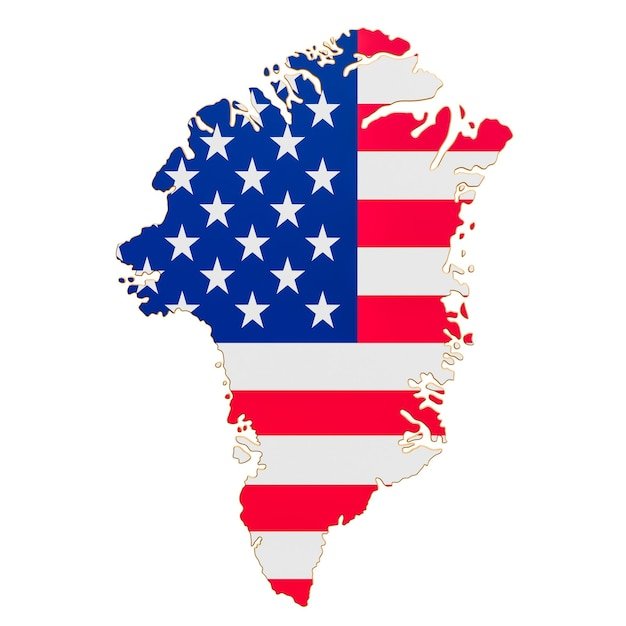
Prediction markets are assigning a 14% probability to the United States acquiring territorial control over any portion of Greenland by December 31, 2026. The market has maintained this level with notable stability over the past 24 hours, despite the question's extraordinary geopolitical implications. Volume exceeds $9.6 million, indicating substantial interest among traders despite the low baseline probability.
The market's resolution criteria are deliberately precise, requiring either a formal transfer of sovereignty, establishment of primary or exclusive U.S. jurisdiction over defined territory, or acquisition through force. Announcements alone do not qualify—only binding legal instruments such as enacted legislation, signed treaties, or executive orders would trigger a positive resolution. This specificity rules out non-binding proposals, negotiations, or framework agreements, substantially raising the bar for affirmative outcomes.
Why It Matters
Greenland's strategic position—rich in minerals, positioned along Arctic shipping routes, and currently under Danish sovereignty with significant autonomy—makes it geopolitically significant. Any transfer of territory would represent a historic shift in North Atlantic geopolitics and mark the first major territorial acquisition by the United States in decades. The two-year timeframe makes this a medium-term scenario, suggesting traders are pricing in possibilities that extend beyond typical diplomatic cycles but remain within a compressed timeframe for such momentous decisions.
Key Factors
The 14% probability reflects several competing considerations. On the skeptical side, formal territorial transfer requires agreement from both Denmark and Greenland's government, both of which have expressed opposition to cession. Greenland's 2009 self-government agreement granted it substantial autonomy, and Greenlandic leadership has consistently stated its preference for independence rather than incorporation into other nations. Denmark, as the sovereign power, maintains strong incentives to preserve its Arctic territorial claim. The legal and diplomatic machinery required to negotiate binding sovereignty transfer or exclusive jurisdiction arrangements within two years faces formidable institutional inertia.
Conversely, the nonzero probability reflects acknowledgment of extraordinary geopolitical shifts. Arctic resources and strategic positioning have grown in importance amid climate change and great power competition. The U.S. has historically expanded territory through negotiated purchases (Alaska, Louisiana), lease arrangements, and other mechanisms. Large-scale geopolitical realignments can occur rapidly under pressure. Traders appear to be pricing a small but material tail risk that unforeseen diplomatic breakthroughs, financial incentives, or strategic realignment could overcome current institutional resistance.
Outlook
Movement in this market will likely depend on official statements, diplomatic developments, or formal proposals from U.S., Danish, or Greenlandic governments. The resolution criteria's emphasis on binding legal instruments means preliminary negotiations or non-binding frameworks would have limited impact on pricing. Developments affecting Arctic geopolitics, Danish-U.S. relations, or Greenland's political status could shift probability, though the structural obstacles to actual sovereignty transfer remain substantial. The market's current level suggests traders view the scenario as possible but unlikely within the specified timeframe.