Market Overview
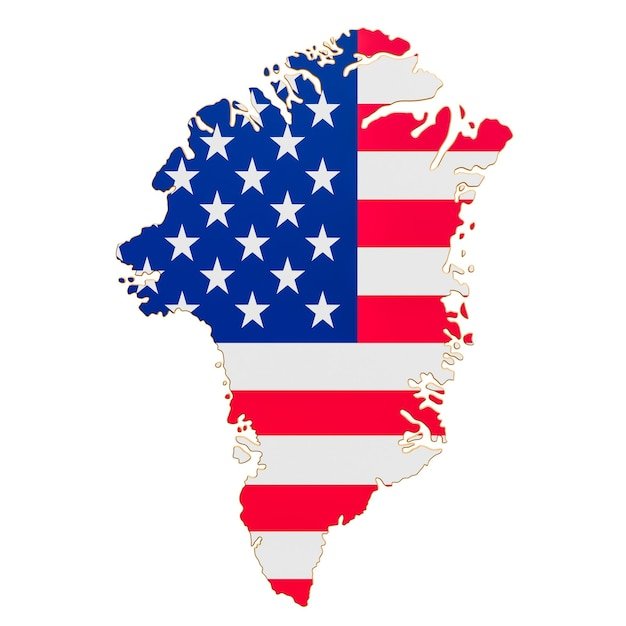
Prediction markets are currently pricing the likelihood of U.S. acquisition of Greenlandic territory at 14%, unchanged over the past 24 hours despite substantial trading volume exceeding $9.6 million. The stable odds suggest market participants have settled into a baseline assessment of this geopolitical scenario, viewing formal territorial acquisition as a low-probability event within the specified timeframe.
The market's resolution criteria are notably stringent. Qualifying events require binding legal agreements or instruments—such as enacted legislation, signed treaties, or executive actions—that establish U.S. sovereignty or primary/exclusive jurisdiction over a defined area. Mere announcements, negotiations, frameworks, or non-binding memoranda do not qualify, nor do standard military base agreements or commercial concessions. This high bar explains the conservative pricing.
Why It Matters
The question touches on a geopolitical flashpoint with strategic implications. Greenland holds significant Arctic resources, strategic positioning for regional security, and growing commercial interest. Recent statements from U.S. officials have revived historical interest in Greenland acquisition, elevating the topic from historical curiosity to active policy discussion. However, the market's 14% probability suggests investors believe formal acquisition remains a remote outcome, constrained by Denmark's sovereignty, Greenlandic self-determination interests, and international legal frameworks.
Key Factors
Several factors constrain acquisition probability. Denmark retains sovereignty over Greenland, which achieved home rule in 1979 and maintains de facto autonomy over most domestic affairs. Greenland's population of roughly 56,000 exercises significant political voice, and any formal transfer would require either consent from both Greenlandic and Danish governments or unilateral U.S. action via force—the latter carrying prohibitive diplomatic and military costs. International law and established norms around territorial sovereignty create substantial friction against such outcomes.
Conversely, factors that could increase probability include a major shift in U.S. geopolitical strategy toward Arctic dominance, significant resource discoveries increasing strategic value, or a dramatic change in Danish-U.S. relations. The 24-month window remaining through end of 2026 is relatively compressed for negotiating, legislating, and implementing such fundamental territorial changes.
Outlook
The stable 14% probability suggests the market has priced in baseline geopolitical rhetoric while discounting actual acquisition as unlikely. Developments that could shift odds materially include formal legislative proposals in the U.S. Congress, significant policy statements from Danish or Greenlandic governments signaling openness to negotiations, or unexpected Arctic security escalations. Absent such catalysts, markets may continue reflecting the substantial structural and legal barriers to acquisition, keeping probability in the low double-digit range.