Market Overview
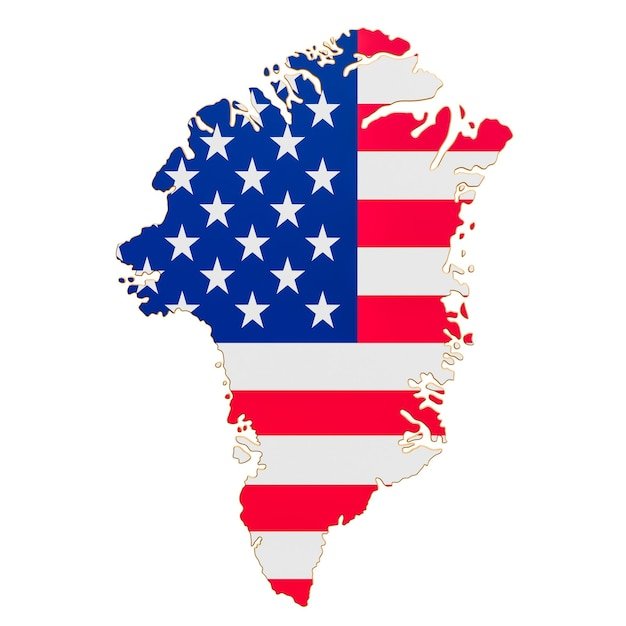
The question of whether the United States will acquire sovereignty or exclusive jurisdiction over Greenlandic territory has attracted substantial speculative interest, with nearly $10 million in trading volume. The current 14% implied probability represents a meaningful but modest bet that such an acquisition could materialize within the designated timeframe. This probability persists despite the lack of concrete progress toward any formal agreement, suggesting traders view the possibility as non-trivial given recent high-level political interest in the matter.
Why It Matters
Greenland's strategic location in the Arctic, its natural resources, and its proximity to North American defense interests have long held appeal for U.S. policymakers. The island's self-governing status within the Kingdom of Denmark creates potential jurisdictional pathways that distinguish it from outright foreign acquisition. The market's resolution criteria are notably specific, requiring a binding legal instrument or formal transfer of sovereignty—not mere proposals or preliminary negotiations. This distinction matters because it effectively filters out political rhetoric from actual policy implementation, setting a high bar for resolution.
Key Factors Driving the Probability
Several structural factors appear to be sustaining the 14% assessment. First, Greenland maintains considerable autonomy in its foreign relations and could theoretically negotiate independent arrangements with the United States, particularly regarding resource access or strategic positioning. Second, the two-year timeframe provides sufficient runway for diplomatic negotiations, though not necessarily for their completion. Third, the market's broad definition of qualifying control—including Guantánamo-style exclusive jurisdictional arrangements—allows for outcomes beyond full sovereignty transfer. Conversely, Denmark's clear opposition to territorial loss, the political costs of such an arrangement in European capitals, and the absence of formal negotiations toward any such deal work against a higher probability. The stability of the 14% figure over the past day suggests the market has absorbed available information and found an equilibrium reflecting genuine uncertainty rather than directional conviction.
Outlook
Movement in this market will likely require tangible developments: formal announcement of negotiations, introduction of legislative proposals, or statements from Greenlandic officials indicating openness to jurisdictional arrangements. The stringency of the resolution criteria—requiring binding instruments rather than statements—means that political interest alone will not move the needle significantly. Traders should monitor Arctic security discussions, U.S.-Denmark diplomatic channels, and Greenlandic government positions for signals that formal negotiations are materializing. The current probability implies markets view such an outcome as possible but improbable, a posture consistent with the absence of concrete progress while acknowledging genuine geopolitical interest in the region.