Market Overview
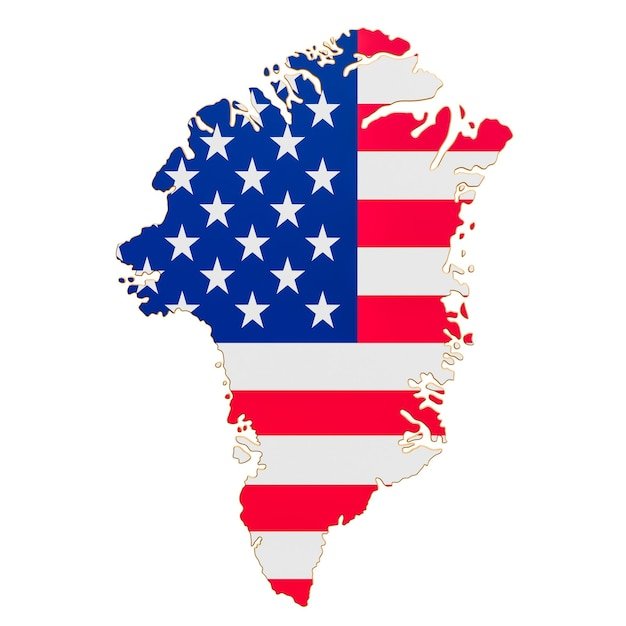
Prediction market traders are assigning a 14% probability to U.S. acquisition of Greenlandic territory by December 31, 2026, based on $9.7 million in trading volume. The market has maintained this level consistently over the past 24 hours, suggesting stable trader conviction rather than reactive positioning to breaking news. The probability translates to roughly 1-in-7 odds, indicating substantial doubt among market participants that any binding legal mechanism transferring sovereignty or exclusive U.S. control will be formalized within the two-year window.
Why It Matters
The outcome hinges on a narrow but explicit definition: traders are pricing only binding agreements that transfer formal sovereignty, establish exclusive U.S. jurisdiction (akin to Guantanamo-style arrangements), or result from military force. Casual statements, negotiations, MOUs, or basing agreements do not qualify. This high bar explains the market's skepticism. While acquisition proposals periodically emerge in U.S. political discourse, translating them into binding legal instruments requires Danish and Greenlandic consent (absent military action), treaty ratification by the U.S. Senate, and surmounting complex international law obstacles. The 86% of probability mass assigned to \"No\" reflects the substantial structural barriers to such a transaction.
Key Factors
Several dynamics shape the probability. First, Greenland's own sovereignty preferences carry decisive weight: Greenlandic leadership and public opinion would need to shift dramatically toward seeking U.S. annexation or ceding territory. Second, Danish government position remains a gatekeeper—Copenhagen retains constitutional authority over Greenland's foreign affairs and territorial status, and no signals suggest willingness to negotiate sovereignty transfers. Third, U.S. Senate ratification would be required for any treaty, introducing domestic political friction. Fourth, the two-year deadline is relatively compressed; formal territorial arrangements typically require years of diplomatic groundwork. Military seizure, while contemplated in the market's resolution criteria, carries geopolitical costs that would likely exceed perceived strategic benefits given Greenland's sparse population and existing U.S. Arctic access arrangements.
Outlook
For the probability to rise materially, markets would likely require visible movement toward binding negotiation frameworks, explicit statements of willingness from Greenlandic authorities, or concrete treaty drafting. Absent such signals, the 14% level may persist as a baseline reflecting tail-risk scenarios and speculative positioning. Should U.S. political attention intensify around Arctic strategy, resource access, or defense positioning, renewed interest could emerge—but markets appear to distinguish between rhetorical interest and the institutional machinery required to formalize control. The resolution criteria's emphasis on binding legal instruments creates a high evidentiary bar that, for now, traders assess as unlikely to be cleared within the deadline.