Market Overview
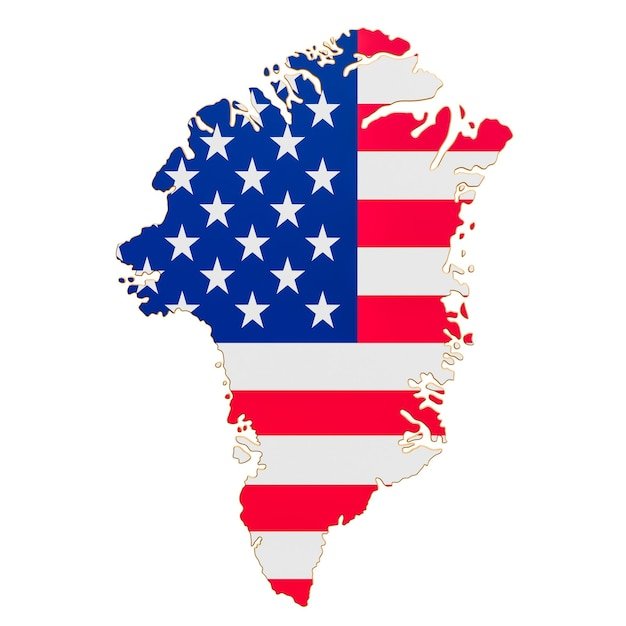
Prediction markets have stabilized around a 14% probability for U.S. acquisition of Greenlandic territory within the next two years, with nearly $9.7 million in trading volume indicating sustained interest in the outcome. The probability has remained flat over the past 24 hours, suggesting the market has settled into a consensus view despite the geopolitical salience of the question. The market's definition is notably strict, requiring either a formal transfer of sovereignty or the establishment of exclusive U.S. jurisdiction and control through a binding legal instrument—excluding basing rights, commercial arrangements, or non-binding proposals.
Why It Matters
The question reflects a significant geopolitical debate that has surfaced in recent public discourse, with implications for Arctic strategy, sovereignty, and great power competition. Greenland's strategic location, natural resources, and potential as a venue for military operations have made it a recurring topic in discussions about U.S. interests. The specificity of the market resolution criteria—requiring either sovereignty transfer or Guantánamo-style exclusive jurisdiction—sets a high bar that narrows the path to a \"Yes\" outcome, as such arrangements would represent an unprecedented restructuring of Danish sovereignty and require extraordinary political will and international cooperation.
Key Factors
Several structural factors are pushing the probability toward its current level. Denmark maintains firm sovereignty over Greenland while granting it substantial home rule and autonomy, and there is no indication from Danish or Greenlandic leadership that either would entertain territory transfer negotiations. The legal and diplomatic barriers are formidable: any such arrangement would require legislation in the U.S. Congress, Danish government approval, and likely Greenlandic consent—a combination that appears highly unlikely within a two-year window. Historical precedent offers little support; the last major U.S. territorial acquisition was Puerto Rico in 1898, and modern international norms make sovereignty transfers far more difficult to execute. The 14% probability likely reflects a small tail risk: scenarios in which extraordinary political circumstances, a major geopolitical shift, or military conflict might create conditions for negotiation that do not exist today.
Outlook
For the probability to rise materially, the market would likely require concrete signals of serious negotiations or a binding agreement—not merely political statements or proposals. The resolution criteria explicitly exclude non-binding frameworks and rhetorical posturing, meaning markets are appropriately discounting public discussion absent formal agreements. Developments that could shift the probability upward include official negotiation announcements involving relevant governments, legislative proposals with meaningful sponsor support, or significant changes in Denmark's or Greenland's political stance. Conversely, continued affirmations of Danish sovereignty or Greenlandic autonomy preferences would likely push probabilities lower. The current 14% reflects a market pricing in legitimate but low-probability tail scenarios while maintaining substantial skepticism about actual implementation within the defined timeframe.