Market Overview
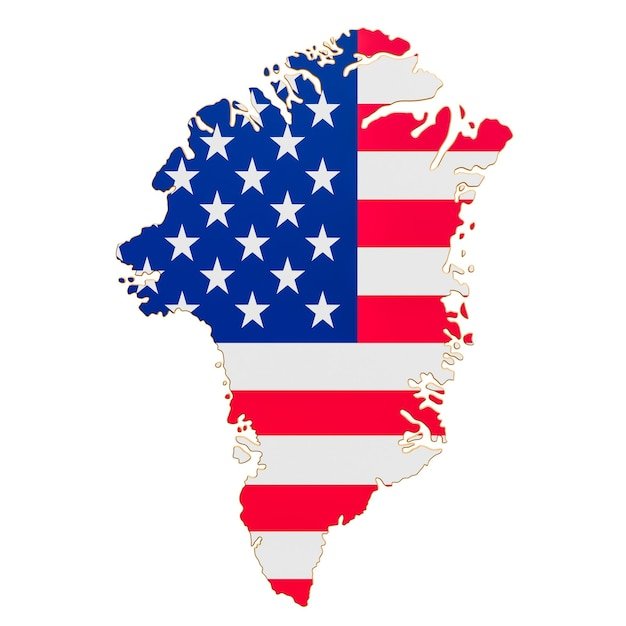
Prediction market participants are assigning a 14% probability to US acquisition of Greenlandic territory within the next two years, based on a market capitalization exceeding $9.6 million. This modest but non-trivial odds reflect the persistent tension between recent high-profile political interest in Greenland and the substantial practical barriers to executing any territorial transfer. The probability has remained stable over the past 24 hours, suggesting the market has already incorporated available information about the issue.
Why It Matters
Greenland, an autonomous territory of Denmark, has become an unexpected focal point in discussions about great power competition and Arctic strategy. Control of Greenlandic territory would confer strategic advantages in Arctic geopolitics, including proximity to shipping routes and natural resources. However, the resolution criteria are deliberately stringent: the market requires a binding legal instrument establishing US sovereignty or exclusive jurisdiction—not merely leasing arrangements, military access agreements, or non-binding proposals. This high threshold reflects the substantial sovereignty questions involved and distinguishes between serious legal transfers and preliminary negotiations.
Key Factors
Several elements are constraining the probability below 20%. Denmark and Greenland have consistently rejected any permanent territorial cession, with Greenlandic leaders explicitly stating the territory is not for sale. Any US acquisition would require either Danish and Greenlandic consent through formal treaty, which appears politically impossible in the near term, or use of force, which would trigger geopolitical consequences far exceeding any strategic benefit. The 2026 deadline is also constraining: legislative processes, treaty ratification, and international negotiation timelines typically extend beyond two years for major territorial arrangements.
Conversely, the non-zero 14% probability reflects tail-risk scenarios. These include unforeseen changes in Danish or Greenlandic political leadership that shift positions on sovereignty arrangements, unprecedented economic incentives that alter cost-benefit calculations, or broader geopolitical shifts that make such arrangements strategically imperative. The resolution criteria's inclusion of force-based acquisition, while unlikely, creates a small probability mass for extremely disruptive scenarios.
Outlook
The probability is likely to remain in the 10-20% range absent dramatic developments. A binding agreement or formal treaty text would sharply increase odds; conversely, explicit restatements of opposition by Danish or Greenlandic governments would likely compress them toward single digits. Market participants should monitor official diplomatic communications and legislative activity in Copenhagen and Nuuk, as these represent the only credible pathways to qualifying events within the compressed timeframe.