Market Overview
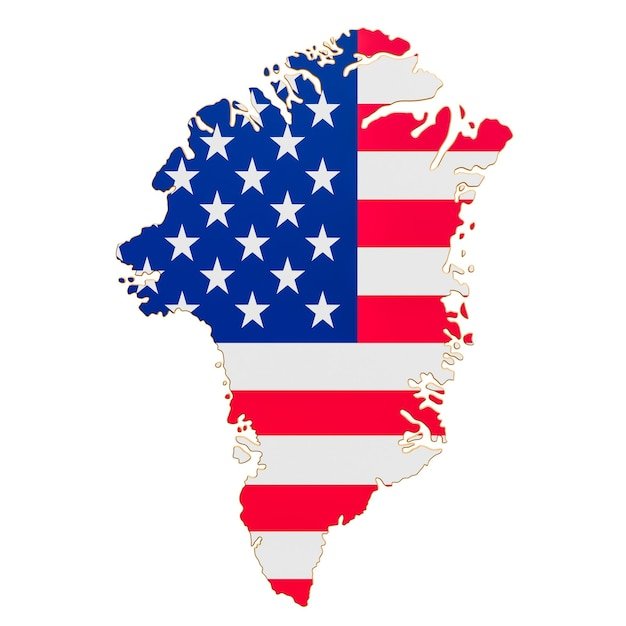
A prediction market focused on potential U.S. acquisition of Greenlandic territory is trading at 14.5% implied probability, indicating that participants assess the likelihood of such a transfer occurring within the next year as low but non-negligible. The market has drawn substantial liquidity with over $9.2 million in trading volume, suggesting considerable public interest in the outcome despite the event's apparent remoteness. The stable pricing over the past 24 hours suggests the market has largely settled on its current assessment absent major new developments.
Why It Matters
The question touches on a longstanding U.S. strategic interest in the Arctic and Greenland's geopolitical significance. With expanding climate change opening new shipping routes and natural resource opportunities in the Arctic, control of Greenlandic territory would offer substantial strategic and economic advantages. However, the resolution criteria are deliberately stringent—mere announcements, negotiations, or non-binding proposals do not qualify. The market requires a binding legal instrument transferring sovereignty or establishing exclusive U.S. jurisdiction, similar to arrangements like Guantánamo Bay, or acquisition through force. This high threshold explains why the probability remains well below 25% despite elevated rhetorical interest from U.S. policymakers.
Key Factors
Several factors constrain the probability. Greenland is an autonomous territory of Denmark with substantial self-governance, and Denmark retains foreign policy authority. Any transfer would require either Danish consent through binding legislation or treaty, or extraordinary circumstances such as military coercion—both politically fraught scenarios in the transatlantic relationship. Greenland itself has shown limited appetite for U.S. integration, with local political leaders emphasizing independence aspirations rather than absorption into a foreign power's sovereignty. Additionally, the resolution criteria explicitly exclude basing agreements, leasing arrangements, and other forms of access or jurisdiction short of primary control, preventing the market from resolving positively based on military installations or economic partnerships that fall short of territorial transfer.
Outlook
For the market probability to shift materially upward, concrete movement toward a binding agreement would be required—legislative proposals in the U.S. Congress, formal treaty negotiations, or explicit statements from Danish or Greenlandic officials indicating willingness to transfer territory. Such developments remain improbable within the 2026 window, as they would represent a historic reversal of Arctic geopolitics and transatlantic relations. Conversely, any explicit renunciation of territorial ambitions by U.S. leadership could push odds lower. The market's current level likely reflects genuine uncertainty about long-term U.S. Arctic strategy and the possibility of unforeseen geopolitical shifts, balanced against the substantial institutional, legal, and diplomatic obstacles to execution.