Market Overview
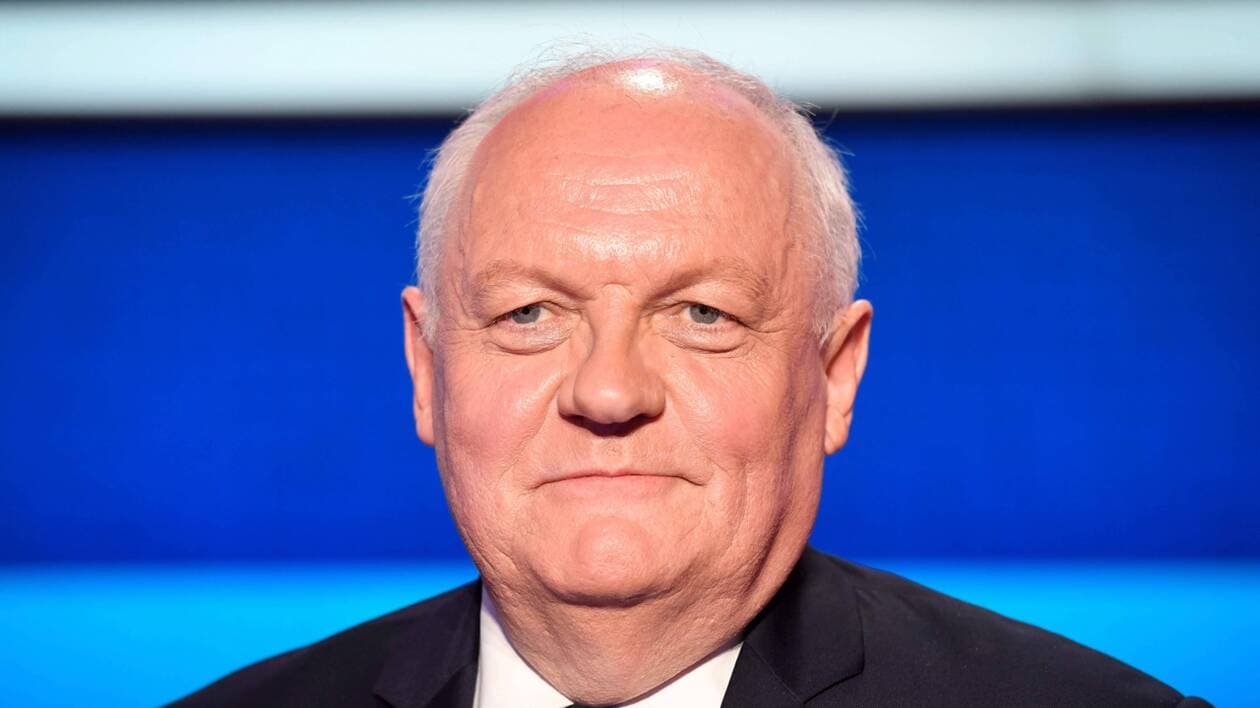
François Asselineau, founder and leader of the Union Populaire Républicaine (UPR), is priced at 0.5% odds to win the 2027 French presidential election scheduled for April. The probability has remained stable over the past day, indicating the market has settled on a consensus valuation of his candidacy. With nearly $3 billion in volume across related markets, the broader 2027 election is generating substantial interest, yet Asselineau occupies a negligible position within that landscape.
Why It Matters
Asselineau's minimal odds underscore the structural challenges facing minor-party candidates in France's two-round electoral system. While France's runoff mechanism theoretically allows outsiders to advance if they finish in the top two after the first round, Asselineau would need to overcome entrenched rivals—including incumbent Emmanuel Macron, the Socialist and Republican establishments, and more prominent populist movements. The 0.5% probability reflects market participants' assessment that other candidates are vastly more likely to either win outright in round one or secure one of the two runoff positions.
Key Factors
Several dynamics constrain Asselineau's electoral prospects. The UPR's consistent polling at or below 1% nationally indicates limited grassroots mobilization and name recognition outside eurosceptic constituencies. The party's platform, emphasizing French withdrawal from the EU and NATO, occupies ideological space that better-resourced candidates—including Marine Le Pen's National Rally and various left-wing alternatives—have already contested. Additionally, media coverage and campaign financing advantages accrue to larger parties, and ballot access, though theoretically available to independent candidates, requires substantial organizational infrastructure. Asselineau's lack of parliamentary representation further diminishes his institutional foothold.
Outlook
For Asselineau's probability to materially increase, several contingencies would need to materialize: a dramatic fragmentation of the mainstream right and left producing a crowded first round where he cracks the top two; a major geopolitical crisis that dramatically elevates demand for eurosceptic messaging; or a surge in media attention and organizational capacity currently absent from available indicators. Absent such developments, markets will likely maintain sub-1% pricing for his candidacy through 2027. Observers should monitor UPR polling trends and any shifts in Asselineau's campaigning infrastructure as potential signals that the market's current valuation may warrant revision.