Market Overview
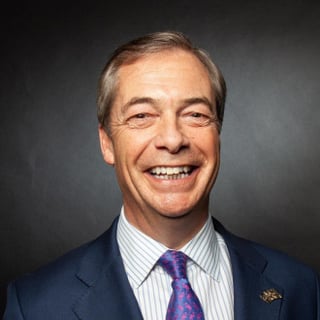
Nigel Farage's chances of becoming Prime Minister by December 31, 2026, are priced at just 1.6% in prediction markets, with trading volume of approximately $722,746 indicating modest but consistent interest. The stable pricing over the past 24 hours suggests the market has settled on a consensus view: while Farage remains a significant political figure, the probability of him leading a government within roughly two years is extremely low. This assessment requires becoming Prime Minister through either an election victory or an extraordinary political realignment within an exceptionally tight timeframe.
Why It Matters
Farage's potential path to power carries outsized symbolic weight in British politics given his orchestration of the Brexit referendum campaign and his influence over Conservative Party direction. However, structural realities constrain his near-term viability. A general election is not constitutionally required before 2025, and if called promptly after the 2024 election, would likely occur in 2024 or 2025—leaving minimal window for a government led by Farage to actually be appointed and take office by year-end 2026. Any such government would need to be formed, sworn in, and formally appointed by the monarch within that narrow margin.
Key Factors
Several factors anchor the low probability. First, Farage has no seat in Parliament, complicating any immediate leadership claim; he would need election to the House of Commons before potentially leading a government. Second, the Reform UK party he leads has not demonstrated electoral capability to win a general election outright or command a coalition majority, despite protest-vote support. Third, the Conservative Party—the only realistic vehicle for Farage to reach the premiership—would need to either install him as leader (unlikely given institutional resistance) or face such catastrophic defeat that a minority government scenario emerges favoring him. Fourth, the timeline is extremely compressed: any new Prime Minister appointed in 2026 would likely have taken office through an election held in 2024 or 2025, with Farage's ascent representing a major reversal from current expectations.
Outlook
The 1.6% probability effectively prices Farage's path as requiring multiple low-probability events: seismic political disruption, a pivot toward him by the Conservative Party or electorate, and appointment within a narrow window. This does not preclude longer-term relevance—Farage's influence on policy direction and party dynamics extends beyond his personal premiership odds—but reflects the market's assessment of near-term implausibility. Developments that could shift the probability include his election to Parliament, unexpected Conservative collapse, or major polling shifts showing Reform UK as a genuine electoral force. For now, the market treats a Farage-led government by end-2026 as a tail-risk scenario.