Market Overview
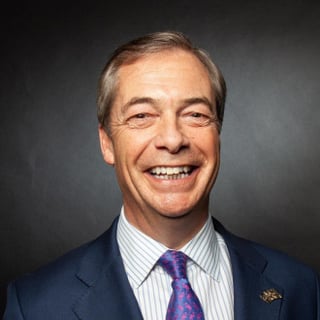
Nigel Farage's path to 10 Downing Street is being priced as a major longshot by prediction market participants, with odds at 1.6% as of late trading. The market has remained stable at this level over the past 24 hours despite high trading volume of $722,746, suggesting broad consensus among bettors about the improbability of Farage becoming PM within the specified timeframe. The resolution criteria—requiring official appointment by the UK Monarch by December 31, 2026—creates a narrow window of roughly 18 months from the market's current assessment.
Why It Matters
Farage's potential elevation to Prime Minister carries outsized political significance given his role as a polarizing figure in British politics. As a longtime advocate for Brexit and leader of the Reform UK party, his ascension would represent a dramatic consolidation of right-wing populist power in the UK political establishment. The current probability assessment reflects the market's view that while Farage commands a dedicated supporter base, the structural barriers to his becoming PM remain formidable. Any shift in these odds would signal a material reassessment of either the political landscape or the viability of coalition scenarios that could elevate him.
Key Factors
Several structural impediments keep the probability low. First, the sitting Prime Minister as of market assessment is unlikely to voluntarily step down within 18 months absent catastrophic political failure or electoral defeat. Second, the UK's first-past-the-post electoral system historically limits the ability of third parties like Reform UK to translate voter support into parliamentary seats—Reform would need either a dramatic breakthrough at a general election or an unprecedented backbench rebellion within an existing government to gain leverage for leadership. Third, even if a leadership transition occurs, party MPs would be required to nominate and elect a new leader, a process where Farage faces significant institutional resistance within Westminster. Fourth, both the Conservative Party and Labour Party would need to either collapse into minority government requiring external support or fragment in ways that give Reform extraordinary leverage.
Outlook
The 1.6% probability baked into markets likely reflects a scenario where only an extraordinary confluence of events—a government in severe crisis requiring external Reform UK support, followed by negotiations that somehow elevate Farage himself rather than another Reform figure, within an 18-month window—could result in his appointment. Most political observers would note that even in this scenario, other outcomes remain more probable. Market participants may reassess these odds if Reform UK dramatically outperforms in by-elections, if current polling showing modest support for Reform translates into unexpected general election gains, or if internal Conservative Party turmoil accelerates beyond current expectations. For now, the market's pricing reflects the view that while Farage remains a consequential political figure, the formal machinery of prime ministerial selection in the UK remains substantially resistant to his ascent.