Market Overview
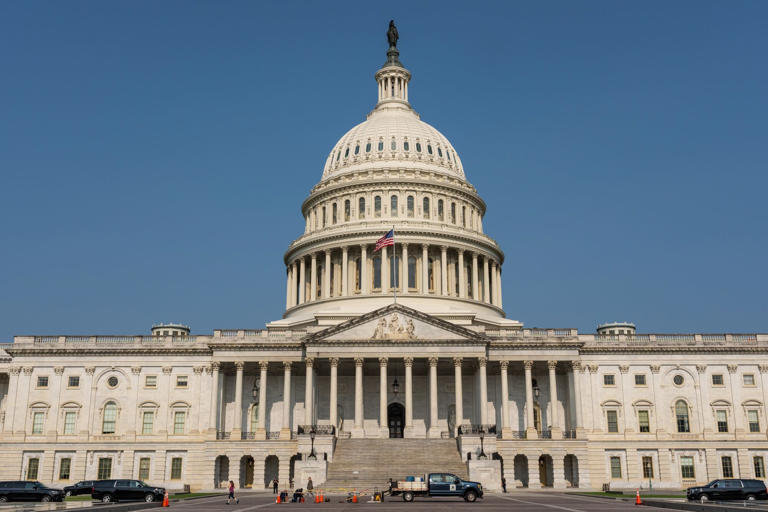
The Digital Asset Market Clarity Act of 2025 (H.R. 3633) is currently valued at 68% probability of enactment by the close of 2026, according to prediction market pricing. This represents a moderately bullish assessment for a legislative proposal in the highly contested cryptocurrency regulatory space. With trading volume of approximately $596,000, the market indicates meaningful investor interest in the bill's fate, though volumes remain modest relative to headline political markets. The two-thirds probability threshold suggests traders view passage as more likely than not, but with substantial uncertainty remaining.
Why It Matters
The Clarity Act represents a significant attempt to establish federal regulatory clarity for digital assets—a longstanding industry priority. Rather than imposing restrictions, the bill aims to define which agencies have jurisdiction over different types of crypto assets and activities, potentially reducing regulatory overlap and legal ambiguity that has hindered institutional adoption. For crypto market participants, clear regulatory boundaries could reduce compliance costs and litigation risk. For policymakers, the legislation attempts to balance innovation interests with consumer protection and financial stability concerns. The bill's passage would constitute a major legislative victory for the cryptocurrency sector after years of fragmented and often antagonistic regulatory approaches.
Key Factors
Several structural factors support the current probability estimate. First, the 119th Congress (2025-2026) has shown greater receptiveness to crypto-friendly legislation compared to recent sessions, with industry stakeholders reporting improved relationships with lawmakers and regulators. Second, the bill's approach—establishing jurisdiction rather than imposing novel restrictions—may appeal to a broader coalition than more contentious proposals. Third, the extended timeline through end-2026 provides two full years for legislative action, a substantial window for a bill to advance through committees and floor votes in both chambers. Conversely, headwinds remain substantial: competing legislative priorities, skepticism from consumer protection and banking committees, opposition from some regulatory agencies, and general gridlock in Congress all pose obstacles. The 32% \"No\" probability reflects genuine uncertainty about whether the bill can overcome these barriers.