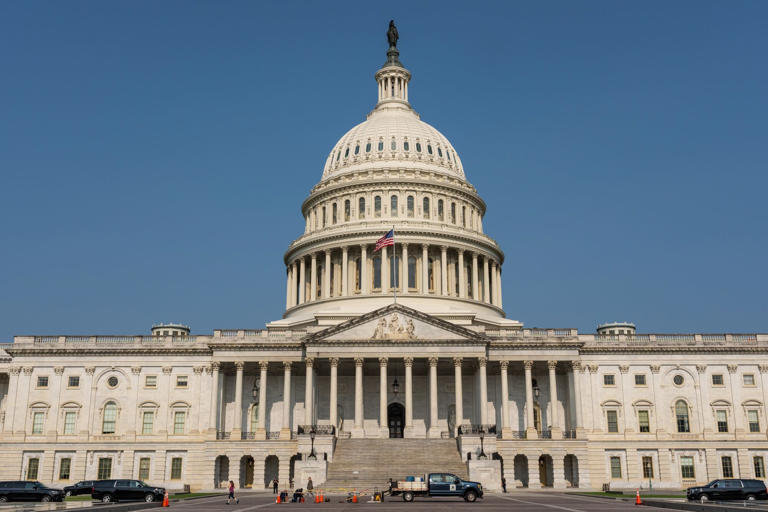
Market Overview
The prediction market for the Digital Asset Market Clarity Act (H.R. 3633) is trading at 68% probability, indicating that traders view passage and presidential signature by December 31, 2026 as more likely than not, though far from assured. The market has shown stability, with odds unchanged over the past 24 hours despite generating over $596,000 in volume. This steady probability suggests the market has already priced in most publicly available information about the bill's current status and prospects.
Why It Matters
The Digital Asset Market Clarity Act represents a significant effort to establish clear regulatory frameworks for cryptocurrency and digital assets under U.S. law. Such legislation could reshape how federal agencies oversee crypto markets, affect investor protections, and influence whether the United States maintains a competitive position in digital asset innovation. The bill's passage would signal Congressional willingness to move beyond ad-hoc regulatory approaches toward comprehensive statutory authority. For the crypto industry, clarity on regulatory expectations could reduce compliance uncertainty; for skeptics, it may represent premature legitimization of volatile and still-evolving asset classes.
Key Factors
Several dynamics are likely driving the 68% assessment. First, the bill appears to have cross-party support and backing from both industry and some regulatory voices, which typically improves legislative prospects. Second, the 2026 timeframe extends beyond the 2024 election, allowing a newly-constituted Congress and administration to engage with the proposal, and potentially providing multiple legislative windows for passage. Third, the crypto industry's growing political engagement and lobbying resources increase the probability that such a bill reaches floor votes. However, headwinds remain: crypto regulation remains contentious within Congress, fiscal priorities may crowd the legislative calendar, and any major market crisis or security incident in 2025 could shift sentiment against the industry. The 32% \"no\" probability reflects real risks of legislative gridlock, competing bills, or outright opposition.