Market Overview
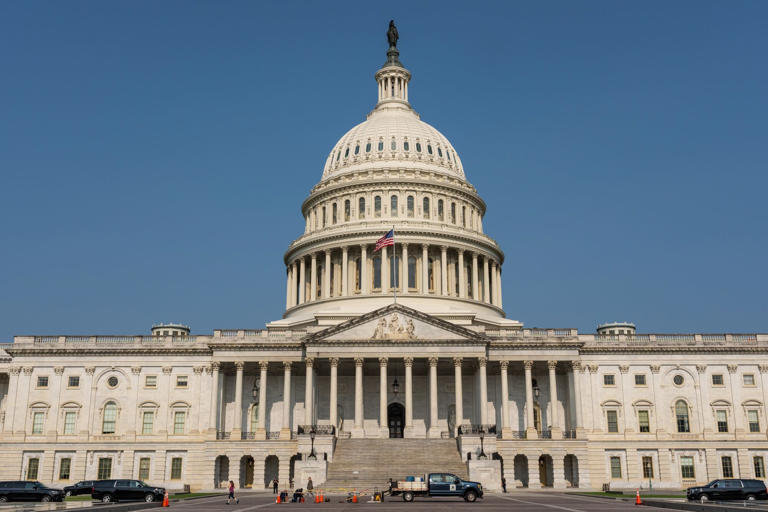
The Digital Asset Market Clarity Act (H.R. 3633) is trading at 68% odds of passage and presidential signature by December 31, 2026, according to prediction market data. With $596,313 in volume, the market shows consistent conviction around this probability, unchanged over the past 24 hours. The legislation, introduced in the 119th Congress, seeks to establish a clearer regulatory framework for digital assets—a longstanding industry priority and point of bipartisan interest on Capitol Hill.
Why It Matters
The Clarity Act represents one of the most substantive attempts to codify cryptocurrency regulation within the U.S. federal system. If passed, it would establish explicit jurisdictional authority, reduce regulatory ambiguity, and provide legal certainty for digital asset platforms and investors. The 68% probability reflects market belief that momentum exists to move this legislation through both chambers and secure executive approval within the two-year window, suggesting traders view the political environment as supportive enough to overcome typical procedural delays and opposition.
Key Factors
Several dynamics appear to support the current odds. First, digital asset regulation has gained bipartisan backing in recent years, with both Republican and Democratic lawmakers recognizing the need for clarity. Second, the 2026 timeline provides a meaningful window—nearly two years from the time of this market's assessment—for committee work, floor votes, and reconciliation between chambers. Third, industry advocacy and campaign contributions from the cryptocurrency sector create political incentive for action. Conversely, opposition from traditional finance, concerns about consumer protection, and broader congressional capacity constraints could slow progress. The 32% downside probability reflects these real impediments to passage.
Outlook
For the legislation to materially improve its odds, key milestones would include committee advancement in the House, companion language in the Senate, and visible movement toward floor scheduling. Adverse developments—such as a major cryptocurrency scandal, shift in congressional priorities toward other fiscal matters, or election-driven delays—could pressure odds downward. The current 68% assessment suggests the market views passage as more likely than not, but far from certain, pricing in both genuine legislative momentum and substantial implementation risk.